
Why Seasonal Eating Makes Every Meal More Meaningful.
Seasonal eating isn't about strict food rules. It's about enjoying ingredients when they're naturally at their best while building a stronger connection to the places and people that produce them.
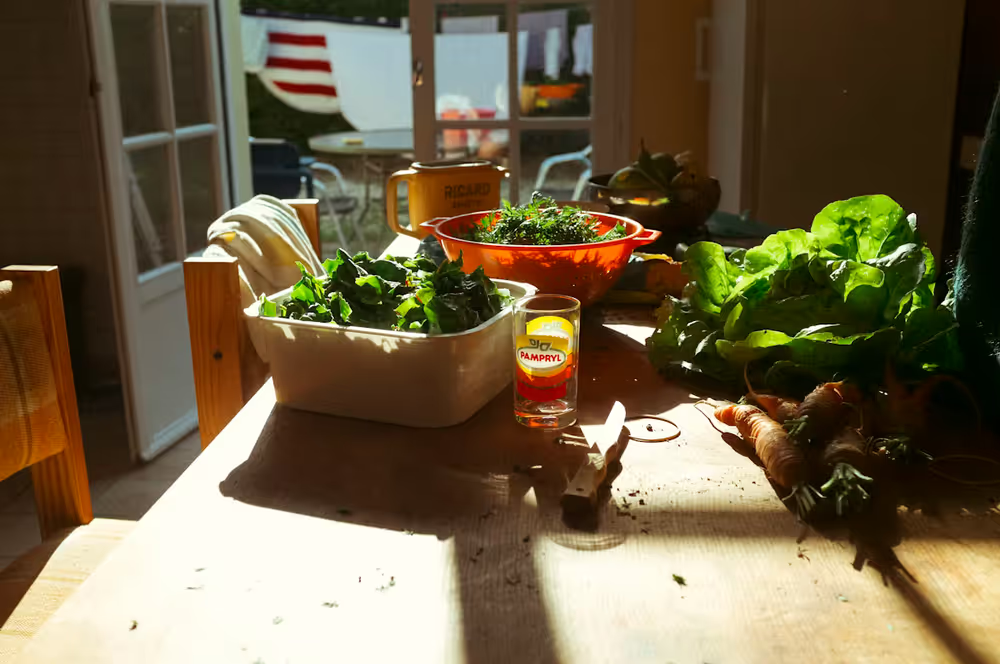
Walk through a local market in early spring and the stalls look very different from those in late summer or autumn. Fresh greens replace root vegetables, berries gradually appear after months of citrus, and pumpkins eventually give way to leafy vegetables once again. For generations, these natural rhythms shaped the way people cooked, celebrated, and gathered around the table. Today, modern supply chains have made almost every ingredient available throughout the year. While this convenience has expanded our choices, it has also distanced many of us from the simple pleasure of eating food when nature intends it to be enjoyed.
Seasonal eating is not about giving up convenience or following restrictive rules. Instead, it is an invitation to notice the changing rhythm of the year and allow it to influence the meals we prepare. When ingredients are harvested at the right time, they often taste better, require less processing, and inspire a greater appreciation for where food comes from. More importantly, they encourage us to slow down and celebrate variety instead of expecting every fruit and vegetable to be available every day of the year.
Letting Nature Shape the Menu
For much of history, seasonal eating was simply the normal way of life. Families planned meals around what nearby farms could produce, preserving fruits for winter, celebrating spring harvests, and making the most of each season's unique ingredients. These traditions created a natural diversity in the kitchen because menus changed throughout the year.
Today, supermarkets offer remarkable convenience, yet they can also create the impression that seasons no longer matter. Tomatoes appear beside pumpkins in winter, strawberries sit next to apples throughout the year, and imported produce often replaces ingredients that would naturally be harvested months later. While global trade has undeniable benefits, it also makes it easy to overlook the excitement that comes with anticipating seasonal foods.
Waiting for the first peaches of summer or the arrival of autumn mushrooms creates a different relationship with food. Instead of becoming ordinary through constant availability, these ingredients retain a sense of occasion. Their appearance marks the changing seasons in the same way that blooming flowers or cooler evenings remind us that time is moving forward.
Choosing seasonal ingredients also encourages creativity. When certain vegetables disappear from the shelves, we naturally begin experimenting with new recipes instead of preparing the same meals week after week. This gentle variety keeps cooking interesting and broadens our appreciation for different flavors and traditions.
Flavor Begins in the Field
Anyone who has tasted a sun-ripened tomato picked at the height of summer understands that freshness cannot always be replicated through long-distance transportation. Seasonal produce often spends less time in storage and reaches kitchens closer to its natural peak, allowing flavors and textures to shine.
This doesn't mean every locally grown ingredient is automatically better than every imported one. Rather, it highlights the value of enjoying food when it naturally thrives. Sweet corn in late summer, crisp apples in autumn, asparagus in spring, and citrus during cooler months all have distinctive qualities that reflect the conditions in which they were grown.
These differences influence more than taste alone. Seasonal ingredients often inspire traditional recipes that have developed over generations. Rich stews become comforting during colder months, while lighter salads and grilled vegetables naturally suit warmer weather. The menu evolves alongside the climate, creating meals that feel appropriate for the time of year rather than disconnected from it.
Cooking with seasonal produce also deepens our understanding of agriculture. We become more aware of harvest cycles, weather patterns, and the work that farmers invest in producing healthy food. That awareness encourages appreciation rather than taking abundance for granted.
"The changing seasons are nature's way of keeping our tables interesting."
Supporting Local Producers
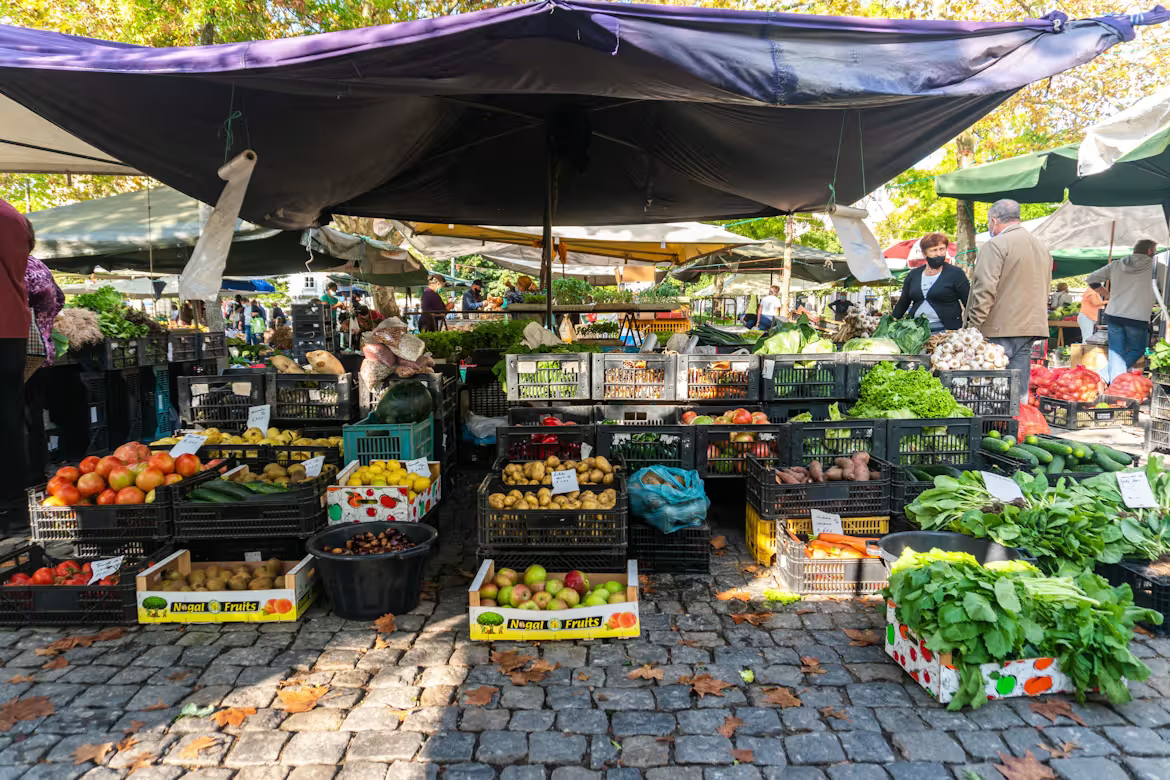
One of the quiet advantages of seasonal eating is its connection to local communities. Farmers, growers, bakers, cheesemakers, and other food producers often rely on nearby customers who value fresh, regional ingredients. Visiting farmers' markets or independent food shops creates opportunities to support these businesses directly while learning more about the products they offer.
Conversations with growers often reveal practical knowledge that rarely appears on food packaging. They may recommend the best way to prepare a particular vegetable, explain why this year's harvest tastes slightly different, or suggest ingredients that pair naturally together. These exchanges turn shopping into a more engaging experience and help preserve skills that have been passed through generations.
Supporting local food systems also contributes to stronger neighborhoods. Markets become gathering places where familiar faces meet each week, seasonal festivals celebrate regional harvests, and family-run businesses continue traditions that give communities their unique identity.
Bringing the Seasons Into Everyday Life
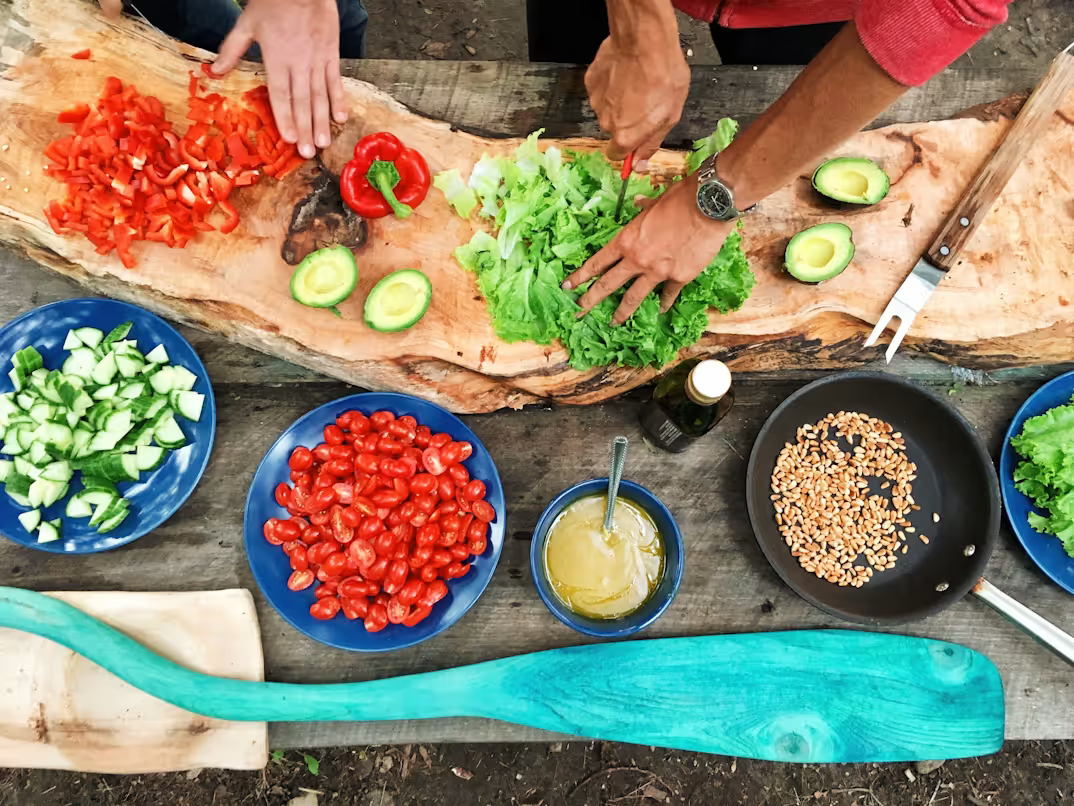
Seasonal eating does not require dramatic changes. It can begin with something as simple as choosing fruit that is naturally abundant that month, trying a recipe built around fresh vegetables from a local market, or replacing imported ingredients with regional alternatives when they are available.
Many people find that these small choices naturally encourage healthier eating. Fresh produce becomes the center of more meals, processed ingredients play a smaller role, and cooking at home becomes an enjoyable activity rather than another task on a busy schedule.
Seasonal cooking also creates traditions. Families look forward to summer berry desserts, autumn soups, winter citrus cakes, or spring salads because they appear only once each year. These recurring meals become part of family memories, connecting food with celebration and the changing rhythm of everyday life.
Rather than viewing each season as simply another page on the calendar, we begin experiencing it through the meals we prepare and share with others.
Conclusion
Seasonal eating reminds us that good food is not only about recipes or ingredients. It is about timing, place, and appreciation.
By choosing foods that naturally belong to each season, we reconnect with traditions that have shaped communities for generations. We discover richer flavors, support local producers, and allow variety to return to our kitchens in a way that feels both natural and rewarding.
In an age where almost everything is available all the time, there is something quietly satisfying about waiting for the right season. Anticipation makes familiar ingredients feel special again, and every shared meal becomes a small celebration of the world just outside our doors.
Sometimes the simplest way to eat better is not to search for something new, but to enjoy what the season is already offering.

Priya Mehta
Priya Mehta explores lifestyle, community, wellbeing, and cultural traditions from a global perspective. She enjoys telling human-centered stories that celebrate everyday life and meaningful connections.
Discussion
· Printed in pixels, with care.