
Why Every City Needs More Green Spaces.
Green spaces do more than beautify cities. They improve health, encourage community connections, and create places where people can slow down and reconnect with nature.
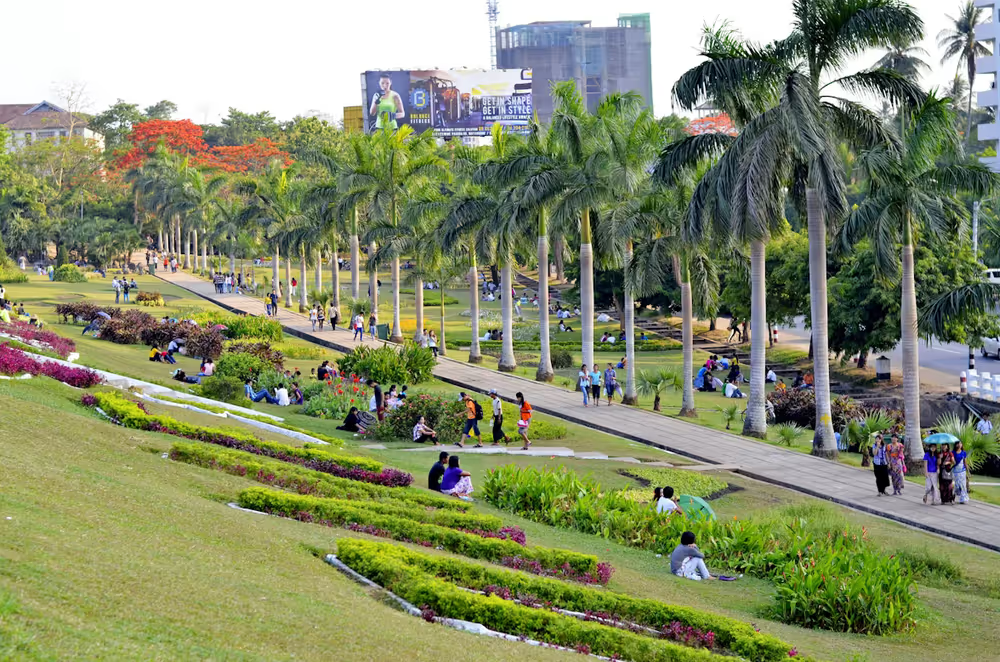
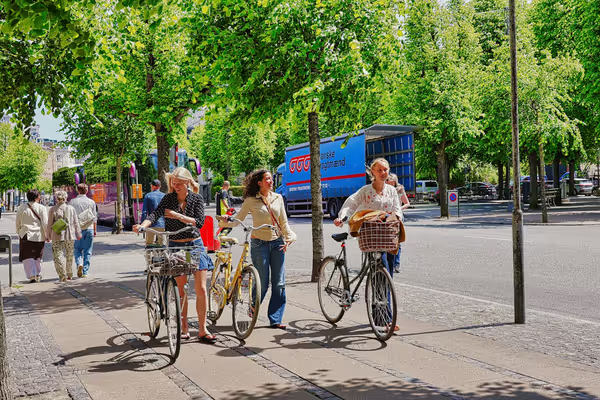
Cities have always been places of opportunity. They bring together businesses, universities, cultural institutions, and diverse communities, creating environments where innovation and creativity can flourish. As urban populations continue to grow, however, city life also presents challenges. Busy streets, constant construction, heavy traffic, and limited open space can leave residents feeling disconnected from nature and overwhelmed by the pace of everyday life. In response, parks, public gardens, tree-lined streets, and community green spaces have become far more than decorative features. They are essential parts of healthy urban environments.
Green spaces offer something increasingly valuable: room to breathe. Whether it is a small neighborhood garden tucked between apartment buildings or a large public park stretching across several city blocks, these places provide opportunities to slow down, exercise, meet neighbors, and experience the changing seasons. They remind us that even within the busiest cities, nature continues to play an important role in everyday well-being.
Rather than viewing green spaces as optional amenities, many cities are beginning to recognize them as vital public infrastructure that supports healthier, happier communities.
Nature Within Reach
Access to nature does not always require traveling far beyond the city limits.
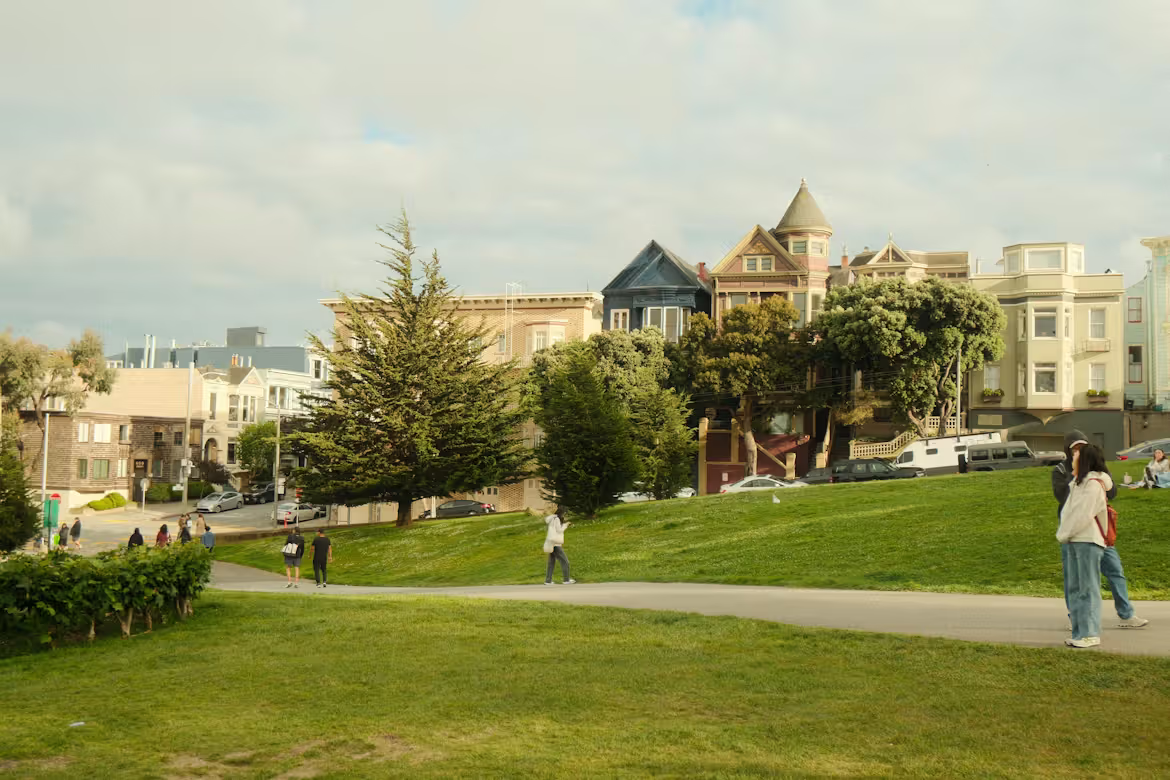
A lunchtime walk beneath mature trees, a quiet bench overlooking a pond, or a shaded pathway through a neighborhood park can provide a welcome pause during an otherwise busy day. These everyday experiences encourage people to spend more time outdoors, replacing hours spent indoors with opportunities for movement and fresh air.
Children benefit by having safe places to play and explore. Older adults enjoy accessible walking routes that encourage regular activity and social interaction. Families gather for picnics, exercise, or weekend outings without needing elaborate plans or expensive entertainment.
The closer green spaces are to daily life, the more frequently people use them. Their value lies not only in their beauty but also in their accessibility.
Healthier Cities Begin Outdoors
Green spaces quietly influence both physical and mental well-being.
Walking trails encourage regular exercise without requiring a gym membership. Trees provide shade that makes outdoor activities more comfortable during warmer months. Gardens offer peaceful settings where people can read, reflect, or simply enjoy a few moments away from busy streets.
These environments also create natural breaks from constant digital stimulation. Instead of looking at screens, visitors notice birds, changing leaves, flowering plants, and the rhythm of the seasons. These simple observations help restore attention and reduce the feeling of being constantly rushed.
For many city residents, nearby parks become part of everyday routines rather than occasional destinations. Morning jogs, lunchtime walks, evening strolls, and weekend gatherings all contribute to healthier lifestyles that feel sustainable over the long term.
"A greener city doesn't just improve the landscape—it improves everyday life."
Green Spaces Build Stronger Communities
Public parks are among the few places where people from different backgrounds naturally share the same space.
Parents watch children play together, neighbors meet during evening walks, community events bring local residents together, and visitors experience the character of a neighborhood through its public spaces. These interactions strengthen social connections without requiring formal introductions.
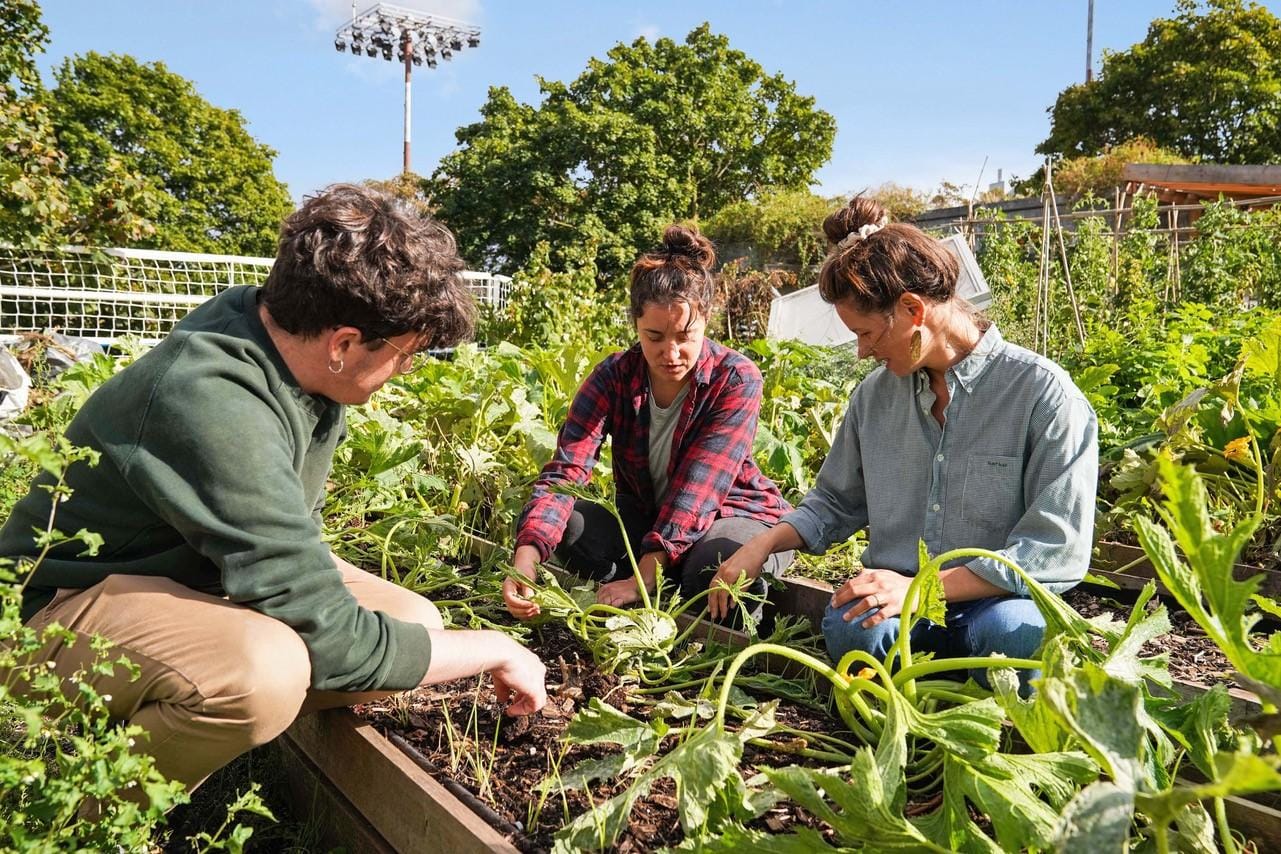
Community gardens provide another example. Residents work together to grow flowers, herbs, and vegetables while sharing knowledge and building relationships. These projects transform unused land into welcoming places that reflect the care and creativity of the people who maintain them.
Even small green spaces can have a remarkable impact when thoughtfully designed. A few benches beneath mature trees may become a favorite meeting place for nearby residents, while pocket parks offer quiet retreats in densely populated neighborhoods.
Shared outdoor spaces encourage communities to spend time together rather than simply living beside one another.
Designing Cities for the Future
As cities continue to grow, thoughtful planning becomes increasingly important.
Modern urban design is gradually placing greater emphasis on walkable neighborhoods, cycling routes, green rooftops, restored riverbanks, and expanded public parks. These projects improve environmental resilience while also making cities more enjoyable places to live.
Trees help reduce heat during summer months, gardens improve biodiversity by supporting birds and pollinators, and well-designed parks encourage sustainable transportation by making walking and cycling more attractive.
Importantly, these improvements benefit everyone.
Children gain places to explore, professionals find opportunities to recharge during busy workdays, and older residents enjoy accessible outdoor environments that support active lifestyles. Green spaces therefore represent an investment not only in the environment but also in the long-term quality of urban life.
Appreciating the Parks We Already Have
Creating greener cities does not always require ambitious redevelopment projects.
Supporting local parks, participating in community planting events, respecting public gardens, and spending more time outdoors all contribute to healthier neighborhoods. The more people use these spaces, the more valuable they become as centers of community life.
Many residents are surprised to discover how much their local park changes throughout the year. Spring blossoms give way to summer shade, autumn colors transform familiar pathways, and winter landscapes offer a different kind of quiet beauty.
Returning regularly helps us appreciate these seasonal changes and strengthens our connection to the places we call home.
Conclusion
Green spaces are far more than attractive additions to city landscapes.
They improve health, encourage movement, strengthen communities, and remind us that nature remains an essential part of urban life. Parks, gardens, tree-lined streets, and community green spaces offer something increasingly valuable in modern cities—a place to slow down, reconnect, and simply enjoy being outdoors.
As cities continue to evolve, investing in green spaces is ultimately an investment in people.
A healthier, more vibrant city begins with places where everyone has room to breathe.

Elena Rostova
Elena Rostova is the Editor-in-Chief of The Daily, where she leads editorial coverage on modern living, wellbeing, and everyday culture. She enjoys exploring thoughtful ideas that help readers build more intentional and balanced lives.
Discussion
More from this issue.
Living Sustainably Begins with Small Everyday Choices.
Sustainability doesn't begin with dramatic lifestyle changes. It starts with thoughtful everyday decisions that collectively create a healthier future for our homes, communities, and the planet.
 Sophia Harrington
The Streets We Walk Shape More Than Our Commute.
The streets we travel each day are more than routes between destinations. Their design quietly influences how we move, interact, and experience the communities we call home.
Sophia Harrington
· Printed in pixels, with care.