
Why Lifelong Learning Matters More Than Ever.
Learning doesn't end with graduation. The most rewarding education often happens through everyday experiences, thoughtful conversations, and a willingness to remain curious throughout life.

For many people, education is closely associated with classrooms, textbooks, and examinations. It is seen as a chapter that begins in childhood and concludes with a diploma or degree. Yet the most meaningful learning often starts after formal education ends. It happens through books that challenge our thinking, conversations that introduce unfamiliar perspectives, mistakes that teach resilience, and experiences that reshape the way we understand the world. In a century defined by rapid technological change and constant access to information, the ability to keep learning has become less of an advantage and more of a necessity.
Curiosity Is a Skill Worth Protecting
Children have an extraordinary ability to ask questions. They want to know why the sky changes colour, how birds navigate across continents, or what happens beneath the surface of the ocean. Curiosity comes naturally because the world feels full of mystery.
As adults, however, responsibilities often replace wonder. Careers become demanding, routines settle in, and learning gradually becomes associated with professional requirements rather than personal enjoyment. We read reports because we have to, complete online courses to earn certifications, or research topics only when a problem needs solving.
Somewhere along the way, we stop asking questions simply because we're interested.
Rediscovering curiosity doesn't require enrolling in another degree program. It can begin by reading outside our usual interests, visiting museums, listening to thoughtful podcasts during a commute, or attending community talks that introduce unfamiliar ideas. Every new subject expands our understanding a little further, often in unexpected ways.
Curiosity also keeps the mind flexible. It encourages us to question assumptions, appreciate different viewpoints, and remain open to change rather than resisting it. In an era where information evolves rapidly, the willingness to continue learning may be one of the most valuable qualities we can develop.
Learning Beyond the Classroom
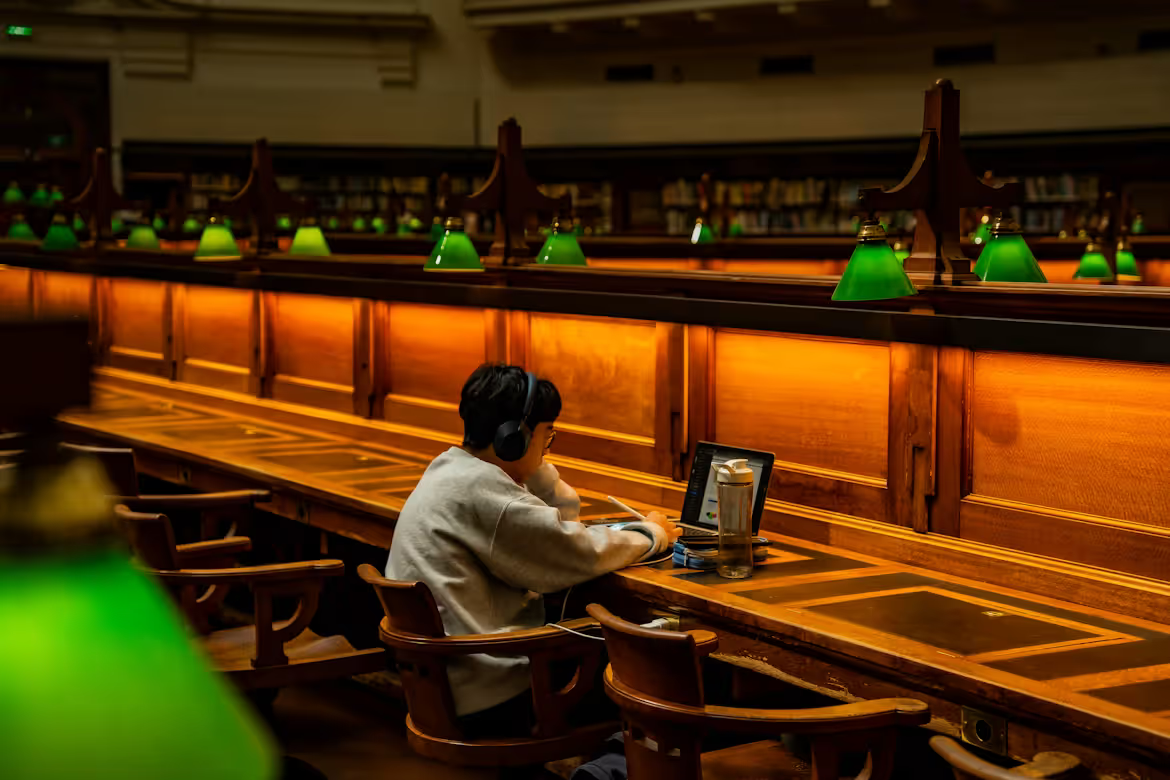
Formal education provides an important foundation, but it cannot possibly teach everything we will need throughout our lives. Careers change, industries evolve, and new technologies reshape the way we communicate, work, and solve problems. Remaining adaptable requires an ongoing commitment to learning that extends well beyond school.
Fortunately, today's opportunities are remarkably diverse. Libraries continue to offer access to books, lectures, and community events. Online platforms make it possible to explore subjects ranging from photography and architecture to history and philosophy. Workshops hosted by local organizations introduce practical skills while creating opportunities to meet people with shared interests.
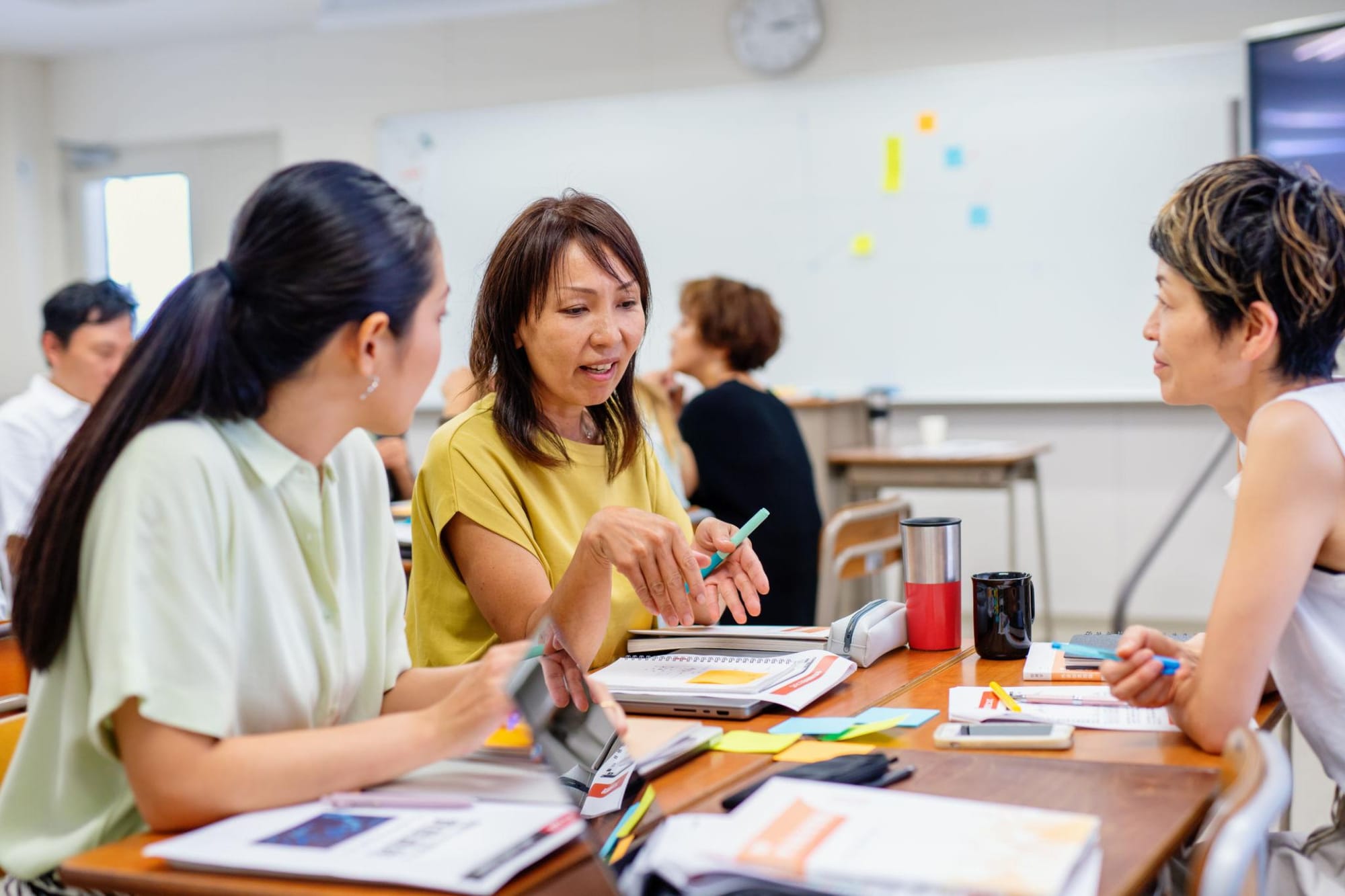
Learning also happens through travel, volunteering, and conversation. A visit to another city may reveal different approaches to urban design. Speaking with someone from another generation often provides insights that no textbook can capture. Even everyday hobbies such as gardening, cooking, or woodworking become valuable teachers, reminding us that knowledge grows through practice as much as theory.
What matters most is not the method but the mindset. When we approach life as learners rather than experts, ordinary experiences become opportunities for growth.
"The most valuable education is often the one we choose for ourselves."
Knowledge Creates Confidence, Not Just Expertise
Many people begin learning something new because they hope to advance their careers. While professional development is certainly worthwhile, the benefits of lifelong learning extend far beyond the workplace.
Learning builds confidence. It gives us the courage to try unfamiliar activities, understand complex issues, and participate more thoughtfully in conversations. It also encourages humility by reminding us how much there is still to discover.
Reading about nutrition may inspire healthier habits. Learning a new language can create meaningful connections while travelling. Understanding local history often strengthens appreciation for the communities we live in. Even exploring astronomy or art history simply for enjoyment adds richness to everyday life.
Knowledge doesn't only prepare us for future opportunities.
It changes the way we experience the present.
People who continue learning often notice details others overlook, ask better questions, and approach challenges with greater creativity. They become more adaptable because they are comfortable with the idea that growth never truly ends.
Building a Life That Never Stops Growing
The most inspiring learners are rarely those who know the most.
They are the people who remain curious despite everything they already know.
Whether they are reading before bed, attending a local lecture, exploring a new creative hobby, or asking thoughtful questions during conversations, they continue to approach the world with openness rather than certainty. This mindset doesn't make life more complicated. If anything, it makes everyday experiences more rewarding because there is always something new to notice, understand, or appreciate.
Growth doesn't have an age limit. A retiree learning photography, a parent studying nutrition, or a young professional discovering classical literature all share the same belief: that investing in knowledge is one of the few pursuits that continues to reward us throughout our lives.
In a fast-changing world, lifelong learning offers more than practical skills.
It offers perspective, confidence, and a lasting sense of curiosity.
Conclusion
Education is not a destination reached on graduation day. It is a lifelong journey shaped by questions, experiences, and the willingness to keep exploring the world with an open mind.
The books we read, the conversations we have, the places we visit, and the skills we choose to develop all become part of an education that is uniquely our own. Unlike many achievements that fade with time, knowledge continues to grow, influencing how we think, make decisions, and connect with others.
Perhaps the greatest lesson lifelong learning teaches us is that there is always another perspective to discover, another skill to master, and another story worth hearing.
As long as curiosity remains alive, education never truly ends.

Richard Sinclair
Richard Sinclair writes about education, lifelong learning, communities, and social change. His articles explore how people continue to grow through knowledge, curiosity, and shared experiences.
Discussion
More from this issue.

Why Curiosity Is the Foundation of Lifelong Learning.
Curiosity is more than a childhood trait. It is a lifelong habit that encourages learning, strengthens creativity, and helps us navigate a world that never stops changing.
 Priya Mehta

Why Mentorship Matters at Every Stage of Your Career.
The best careers are rarely built alone. Mentorship creates opportunities to learn from experience, gain confidence, and build relationships that continue to shape professional growth for years.
 James Thornton
· Printed in pixels, with care.