
Why Organized Spaces Help Us Think More Clearly.
A well-organized home isn't about perfection. It's about creating an environment where everyday life feels calmer, simpler, and easier to enjoy.
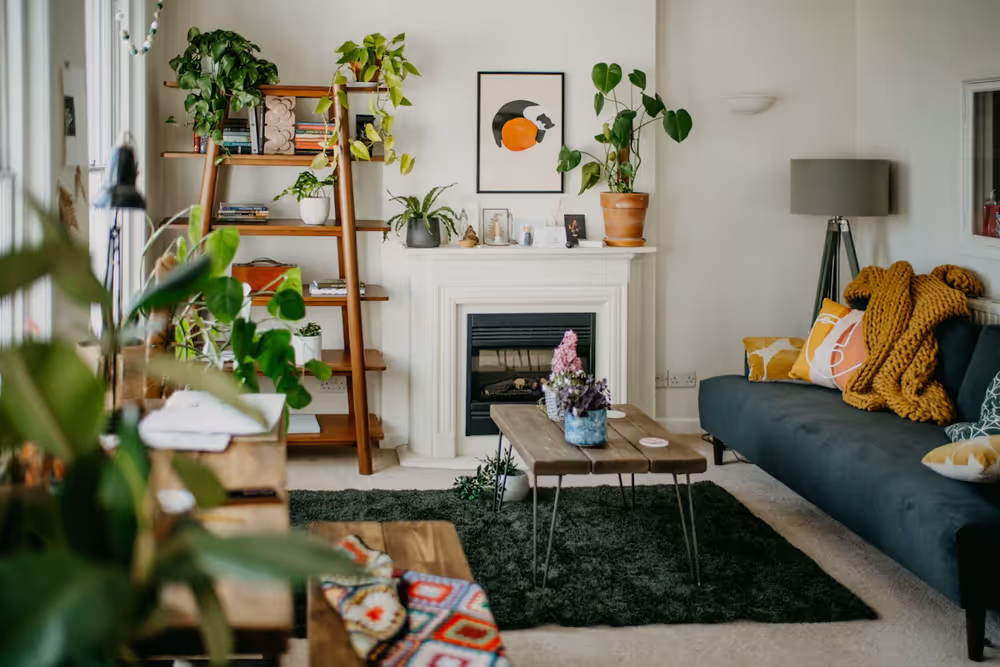
Home is where much of everyday life unfolds. It is where mornings begin, meals are shared, conversations continue after busy days, and quiet evenings offer time to recharge. Because we spend so much of our lives within these spaces, the environment around us quietly influences how we feel. A room filled with unfinished tasks, overflowing storage, and misplaced belongings can create subtle mental fatigue, while a home that is thoughtfully organized often feels calmer before a single word is spoken. Organization is therefore less about appearance and more about creating a space that supports the life we want to live.
Many people associate organization with perfection. Images of immaculate shelves, matching storage boxes, and spotless countertops often dominate magazines and social media. While these spaces can be visually appealing, they do not necessarily reflect real life. Homes are meant to be lived in. Books are read, children leave toys on the floor, guests gather around dining tables, and kitchens become busy while preparing meals.
Thoughtful organization does not remove these signs of life. Instead, it makes daily routines easier by ensuring that the things we use most often have a natural place to return to.
Every Object Should Support Daily Life
One of the simplest ways to organize a home is to think about how each room is actually used rather than how it appears in photographs.
An entryway becomes more practical when shoes, bags, and keys are easy to reach before leaving the house. A kitchen feels less stressful when cooking utensils, spices, and everyday dishes are stored near where they are used. Bedrooms encourage better rest when surfaces remain relatively clear and distractions are limited.
These changes may seem minor, yet they remove dozens of small frustrations that accumulate throughout the day. Searching for misplaced items, moving clutter from one surface to another, or opening overfilled cupboards requires attention that could be better spent elsewhere.
Good organization rarely announces itself.
Instead, it quietly allows daily life to flow more smoothly.
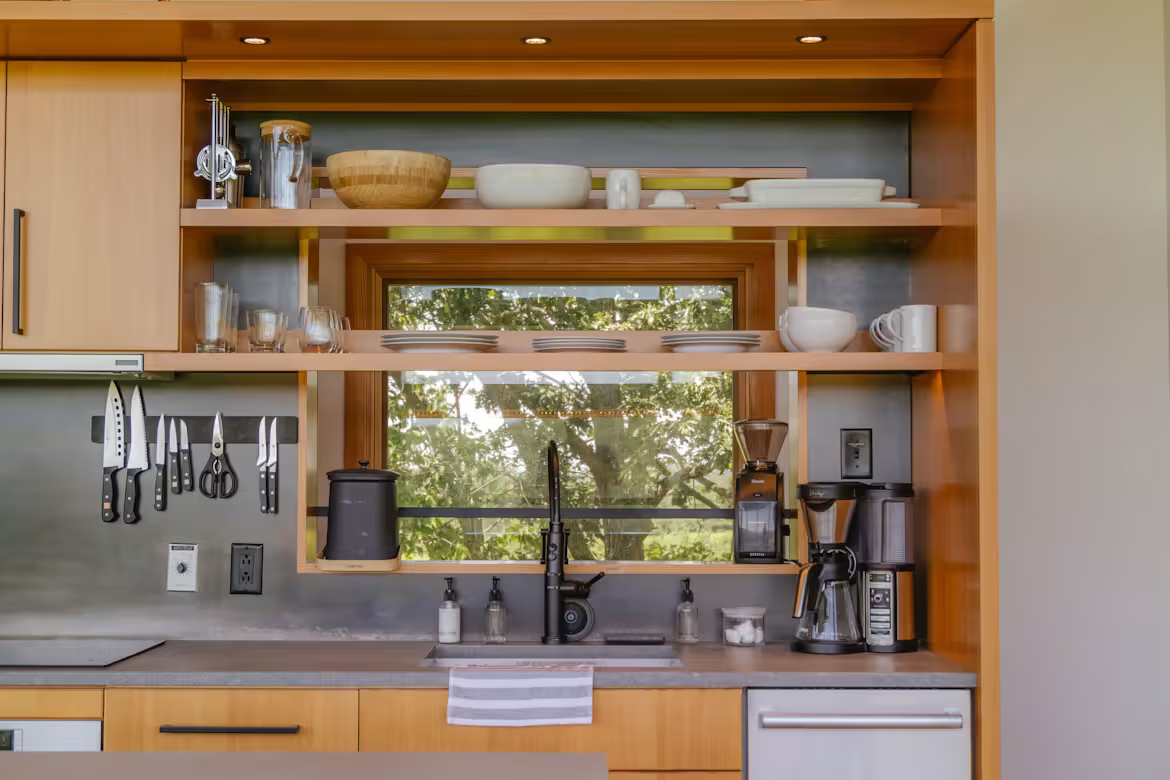
Reducing Decisions Before They Become Stress
Every day is filled with hundreds of small decisions. What should we cook? Where did we leave the charger? Which notebook contains those meeting notes? Although each choice appears insignificant, together they contribute to mental fatigue.
An organized environment quietly reduces this burden.
When important documents are stored together, clothing is arranged logically, and frequently used items remain within easy reach, fewer decisions are required simply to begin ordinary tasks. Morning routines become calmer because everything needed is already prepared. Even returning home after a busy day feels easier when the environment welcomes rather than overwhelms.
This is one reason many people notice a surprising sense of relief after organizing a single room. The physical improvement is obvious, but the mental clarity it creates often proves even more valuable.
Organization is ultimately about removing unnecessary obstacles so attention can be directed toward relationships, creativity, work, and rest.
"An organized home doesn't eliminate busy days—it simply makes them easier to navigate."
Creating Spaces That Invite Better Habits
The design and organization of a home naturally influence behavior.
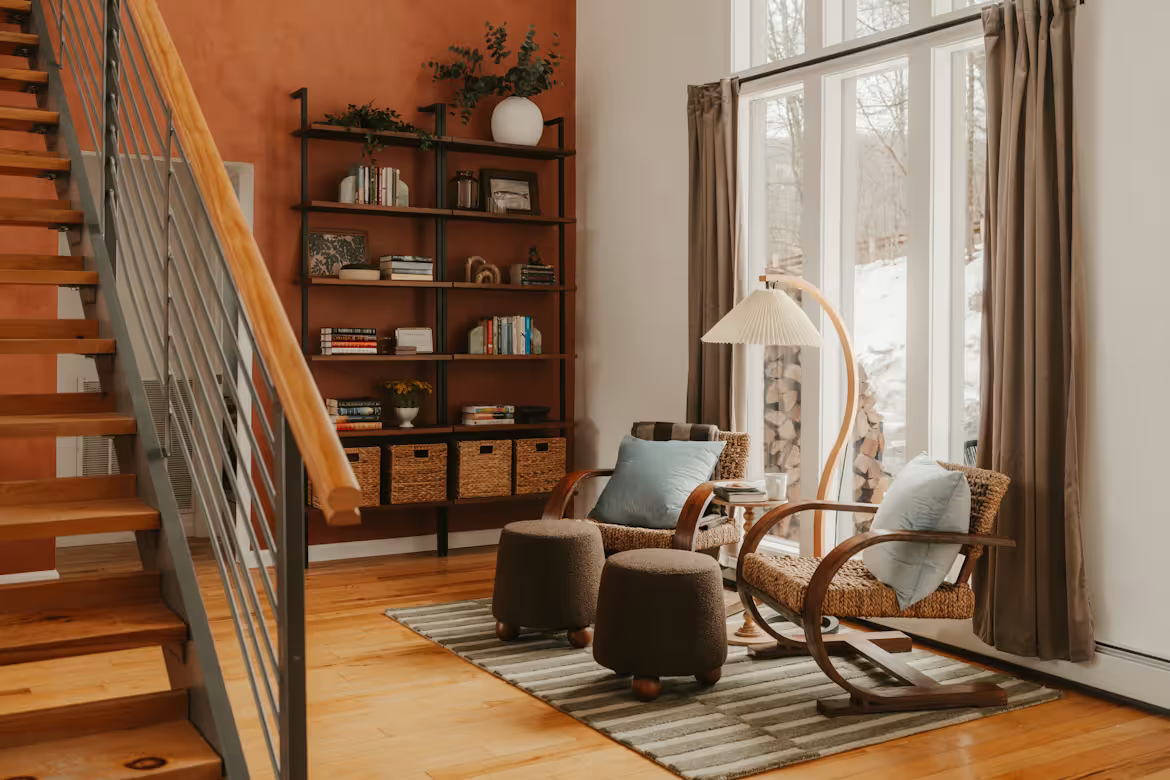
A reading chair beside a well-stocked bookshelf encourages quiet evenings with a novel. Fresh fruit displayed on the kitchen counter is more likely to be enjoyed than food hidden at the back of a cupboard. A clear dining table invites family meals instead of becoming temporary storage for unopened packages.
These examples illustrate an important principle: environments shape habits.
Rather than relying entirely on willpower, thoughtful organization makes positive choices feel more natural. Walking shoes placed near the front door encourage evening walks. A notebook left on a desk inspires journaling or planning. Gardening tools stored neatly by the back entrance make it easier to spend time outdoors.
The goal is not to control every aspect of life but to create gentle reminders that support the routines we value most.
Organization Without Chasing Perfection
Perhaps the greatest misunderstanding about organization is the belief that homes must remain perfectly tidy at all times.
Real homes are dynamic. Children build imaginative worlds in living rooms, guests leave coffee cups after long conversations, and creative projects temporarily occupy dining tables. These moments reflect a home that is being enjoyed rather than merely displayed.
Instead of pursuing perfection, thoughtful organization focuses on recovery. Can the room be restored to order without unnecessary effort? Does everything have a logical place? Are storage systems simple enough that every member of the household can use them?
When the answer is yes, tidying becomes a brief habit rather than a major weekend project.
This approach also creates flexibility. Homes evolve as families grow, careers change, and interests develop. Organization should adapt alongside these changes instead of becoming a rigid set of rules.
Living With Less Stress, Not Less Personality
Minimalism has influenced the way many people think about organization, but the two ideas are not identical.
Some households enjoy open spaces with only a few carefully chosen possessions. Others prefer bookshelves filled with novels, walls displaying travel photographs, and collections gathered over many years. Both approaches can feel organized if every item contributes positively to daily life.
A home gains character through the objects that tell its story. Handmade ceramics collected while traveling, family heirlooms, artwork created by children, or shelves lined with favorite books all add warmth and personality.
Organization should highlight these meaningful belongings rather than hide them.
The result is a home that feels welcoming, lived-in, and uniquely personal.
Conclusion
Organization is not about creating a flawless home.
It is about creating a thoughtful one.
When everyday belongings have a natural place, routines become smoother, decisions require less energy, and homes begin supporting the lives unfolding within them instead of adding unnecessary complexity. Small improvements—clearing a workspace, simplifying an entryway, or arranging a comfortable reading corner—often have a greater impact than dramatic makeovers.
In the end, the most successful homes are not those that look perfect for a photograph.
They are the ones that quietly help the people living inside them feel calmer, more comfortable, and more at ease every single day.

Elena Rostova
Elena Rostova is the Editor-in-Chief of The Daily, where she leads editorial coverage on modern living, wellbeing, and everyday culture. She enjoys exploring thoughtful ideas that help readers build more intentional and balanced lives.
Discussion

· Printed in pixels, with care.