
Creating a Home That Supports Everyday Well-Being.
A home is more than a place to live. Through thoughtful design and everyday habits, it can become a space that encourages calm, comfort, and a healthier way of living.
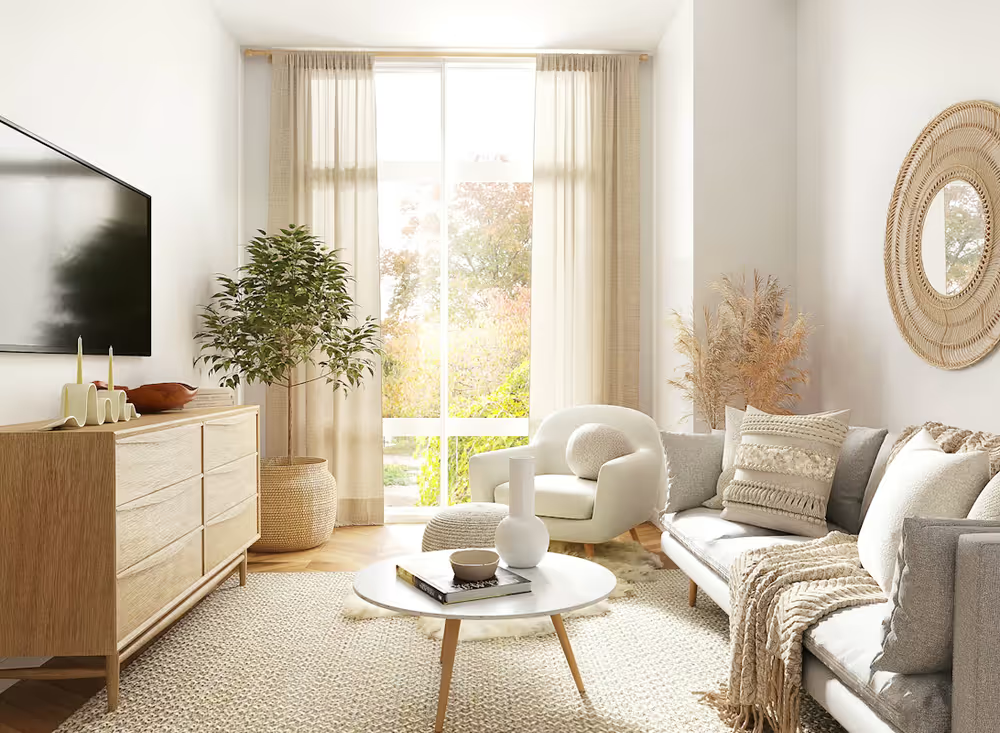
The places where we spend our time quietly influence how we feel, think, and connect with others. A thoughtfully designed home doesn't need to be large or luxurious—it simply needs to support the life you want to live.
Home is often described as a place of comfort, yet modern living can sometimes make it feel more like another source of stress. Shoes gather near the entrance, work follows us into the living room through laptops and phones, and everyday clutter slowly competes for both our attention and our peace of mind.
Creating a healthier home isn't about chasing perfection or following every interior design trend. Instead, it begins with understanding how our surroundings affect our daily experience. Light, organization, color, and even the arrangement of furniture can influence how relaxed, focused, or connected we feel.
The goal isn't to create a picture-perfect house.
It's to create a space that supports everyday living with greater ease.
Designing Spaces Around Daily Life
Every home tells a story about the people who live there.
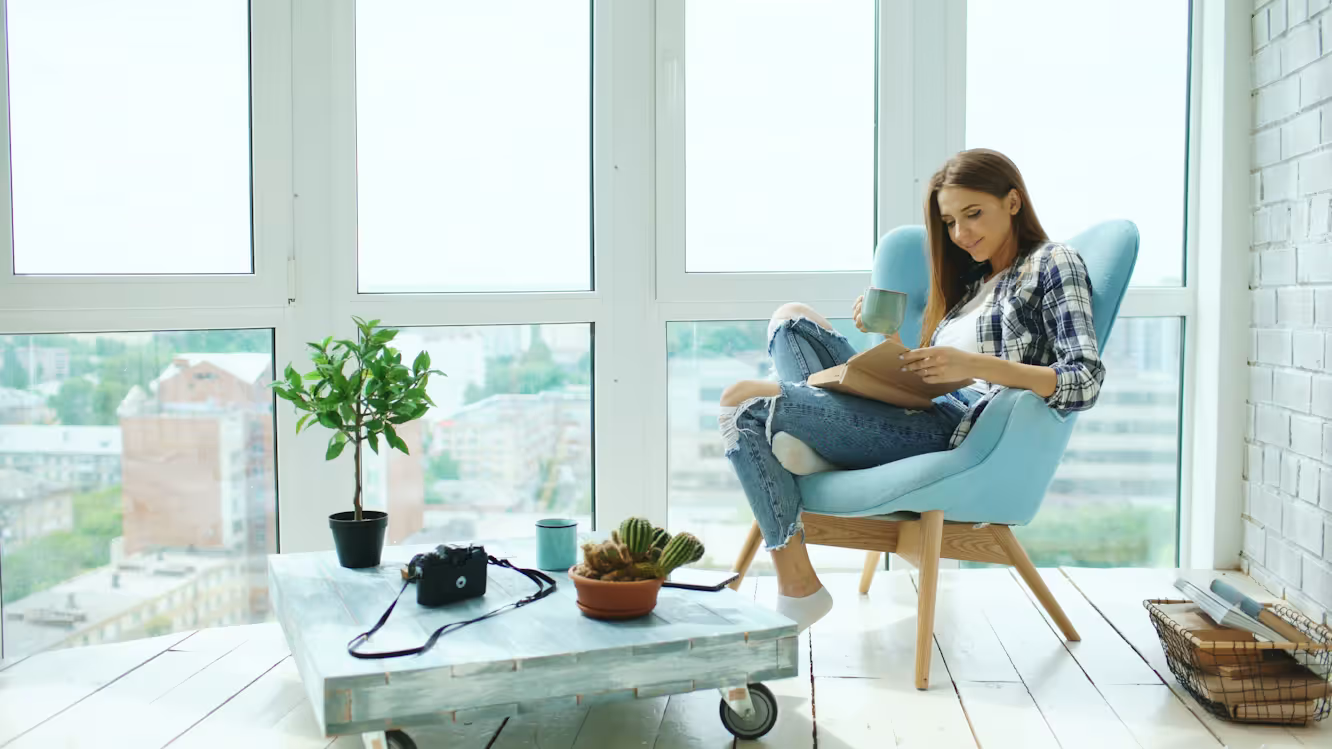
Some spaces encourage conversation, while others naturally invite quiet reflection. A comfortable reading chair near a window, a dining table where family meals become a daily tradition, or a small desk positioned to receive natural light can all shape how a room is used.
Rather than filling every corner, thoughtful homes focus on purpose.
A living room should encourage people to gather. A bedroom should help the mind slow down. A workspace should reduce distractions instead of adding them.
Small adjustments often make the greatest difference. Rearranging furniture to improve natural movement, introducing indoor plants, or removing unnecessary objects can make familiar rooms feel noticeably lighter and more welcoming.
Design works best when it quietly supports daily routines instead of competing for attention.
The Power of Everyday Organization
Organization isn't simply about appearance.
It's about making everyday life easier.
When frequently used items have a dedicated place, daily routines become smoother and less stressful. A tidy kitchen encourages home cooking, an organized workspace supports concentration, and a clutter-free bedroom often creates a greater sense of calm at the end of the day.
This doesn't require minimalism or owning fewer possessions than everyone else.
Instead, it means being intentional about what deserves space in our homes.
Objects that are useful, meaningful, or regularly enjoyed naturally earn their place. Everything else deserves occasional reconsideration.
Creating simple habits—returning items after use, clearing kitchen surfaces each evening, or spending a few minutes tidying shared spaces—prevents clutter from becoming overwhelming.
These routines may seem ordinary, but together they shape the atmosphere of a home.
"A peaceful home is rarely created in a single weekend. It grows through small habits repeated every day."
A Home That Brings People Together
Some of our strongest memories are connected to home.
Family dinners around the same table.
Conversations that continue long after dessert.
Weekend mornings filled with sunlight and coffee.
Friends gathering in the kitchen while meals are prepared together.
These experiences are rarely remembered because of expensive furniture or perfect decoration.
They are remembered because of how a space made people feel.
Creating a welcoming home often means leaving room for life to happen naturally. Comfortable seating, warm lighting, favorite books within easy reach, and spaces that encourage conversation all help build an environment where people enjoy spending time together.
The most memorable homes are not always the most carefully styled.
They are the ones that make people feel immediately comfortable.

Conclusion
Our homes quietly shape the rhythm of everyday life.
They influence how we begin each morning, how we unwind after busy days, and how we connect with the people closest to us. Creating a healthier home isn't about following trends or achieving perfection. It's about making thoughtful choices that support comfort, balance, and everyday well-being.
Whether it's opening the curtains to welcome natural light, creating a favorite reading corner, simplifying a busy room, or making time for shared meals, small changes often have the greatest impact.
A well-designed home doesn't simply look beautiful.
It helps us live better.

Priya Mehta
Priya Mehta explores lifestyle, community, wellbeing, and cultural traditions from a global perspective. She enjoys telling human-centered stories that celebrate everyday life and meaningful connections.
Discussion
More from this issue.

The Sunday Rituals That Make the Week Feel More Manageable.
A thoughtful Sunday isn't about preparing for work every minute. It's about creating space to rest, reset, and begin a new week with greater clarity.
 Elena Rostova
Why Organized Spaces Help Us Think More Clearly.
A well-organized home isn't about perfection. It's about creating an environment where everyday life feels calmer, simpler, and easier to enjoy.
Elena Rostova
· Printed in pixels, with care.