
Why Walking Is One of Life's Greatest Simple Pleasures.
Walking is more than a way to get from one place to another. It encourages clearer thinking, healthier routines, and a deeper appreciation for the places we experience every day.
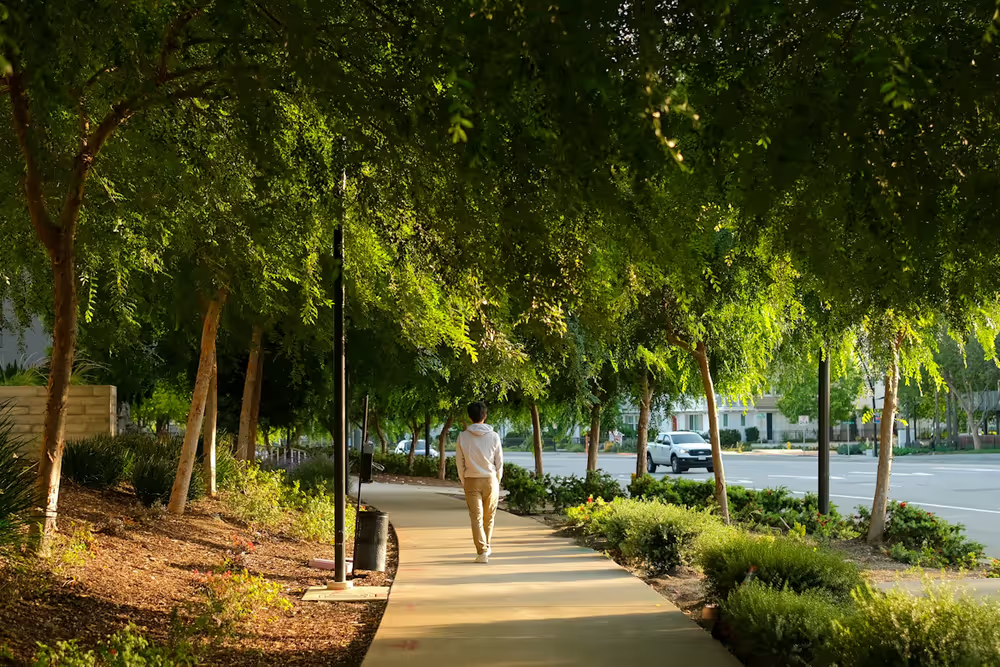
Walking is one of the oldest and most familiar human activities, yet it is surprisingly easy to overlook. In a world built for speed, many journeys are measured by how quickly they can be completed. Cars shorten distances, elevators replace staircases, and digital technology allows us to accomplish tasks without leaving home. Convenience has transformed modern life in remarkable ways, but it has also reduced the opportunities for one of the simplest daily habits that has shaped human experience for centuries.
A walk is rarely only about reaching a destination. It offers time to observe changing seasons, notice neighborhood life, greet familiar faces, and allow thoughts to settle without constant interruption. Unlike structured exercise, walking requires little preparation or equipment. It can fit naturally into almost any routine, whether it is a short stroll after dinner, a weekend visit to a local park, or the journey to a nearby café instead of driving.
Perhaps this simplicity explains why walking continues to remain meaningful. It quietly combines movement, reflection, and discovery into an activity that asks very little while offering so much in return.
Slowing Down to Notice More
Modern schedules often encourage efficiency above everything else. We hurry between appointments, glance at our surroundings without really seeing them, and think about the next task before finishing the current one.
Walking changes this rhythm.
At a slower pace, everyday places reveal details that would otherwise go unnoticed. The architecture of familiar streets becomes more interesting. Seasonal flowers appear in neighborhood gardens. Local cafés fill with morning conversations, while parks become gathering places where children play and friends meet after work.
These observations may seem ordinary, yet they create a stronger connection to the places where we live. Rather than simply passing through our surroundings, we begin participating in them. Familiar routes become richer because we notice something new each time.
Walking reminds us that everyday life contains far more beauty than we often realize when moving too quickly to appreciate it.
A Natural Space for Reflection
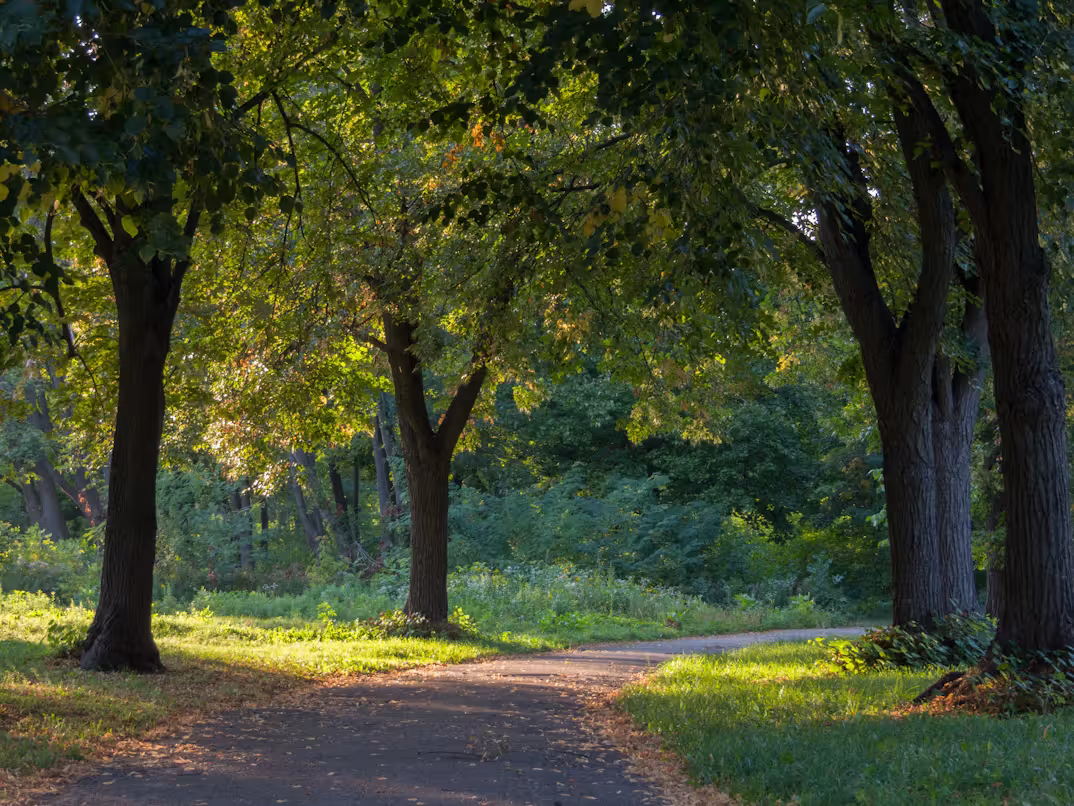
Many people discover that their clearest ideas appear while walking.
Without the pressure of a meeting, the distraction of notifications, or the urgency of an overflowing inbox, the mind begins organizing thoughts more naturally. Problems that seemed complicated indoors often feel more manageable after a short walk outside.
This experience is hardly new. Writers, philosophers, scientists, and artists throughout history have spoken about the creative value of walking. The steady rhythm of movement encourages reflection without demanding intense concentration, creating space where ideas can gradually develop.
Even when no major insight appears, walking provides something equally valuable: mental breathing room.
Instead of immediately filling every quiet moment with new information, we allow the mind to process experiences already collected throughout the day.
"Walking reminds us that sometimes the best way to move forward is simply to slow down."
Health Beyond Exercise
Walking is often recommended because it supports physical health, but its benefits extend well beyond fitness.
Choosing to walk to a nearby shop instead of driving, taking a short stroll during lunch, or spending time outdoors after work naturally encourages healthier daily routines. Fresh air, changing scenery, and gentle movement help break up long periods spent sitting indoors.
Walking also supports emotional well-being. Spending time outside often reduces the feeling of being constantly rushed, while parks, riverside paths, and quiet neighborhoods provide opportunities to disconnect from digital distractions for a while.
Unlike demanding workouts that require careful scheduling, walking can become part of ordinary life. It asks only for comfortable shoes and a willingness to leave the house.
That accessibility makes it one of the easiest healthy habits to maintain over many years.
Strengthening Everyday Connections
Walking changes more than our relationship with the environment.
It also changes our relationship with other people.
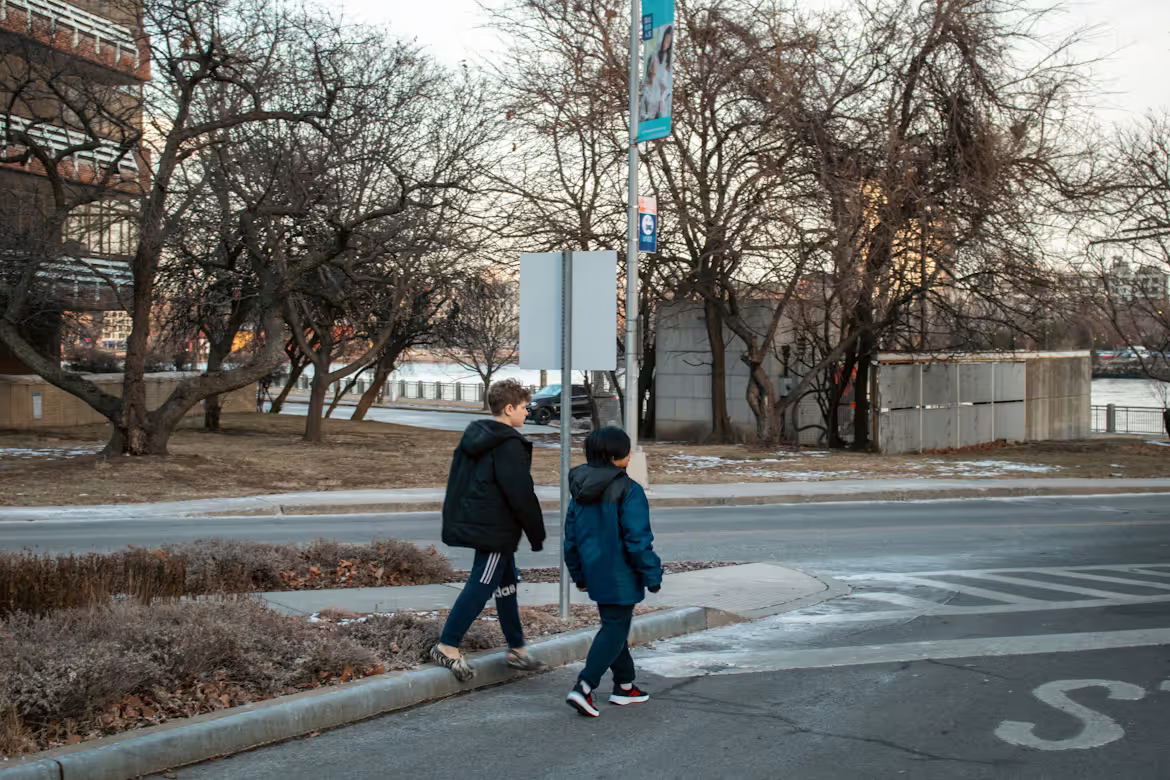
Neighbors become familiar faces rather than strangers glimpsed from behind a windshield. Shop owners greet returning customers. Dog walkers exchange conversations during morning routines. Parents meet while children play in nearby parks.
These repeated interactions gradually strengthen the social fabric of a neighborhood. Communities often become more welcoming when people spend time outdoors rather than moving quickly between private spaces.
Even brief conversations contribute to a greater sense of belonging.
Walking therefore becomes a surprisingly effective way of building connection without requiring formal events or organized activities.
Rediscovering the Everyday Journey
Many destinations lie close enough to reach on foot, yet convenience often encourages us to overlook that possibility.
Choosing to walk occasionally transforms routine errands into opportunities for observation and enjoyment. A familiar street reveals a newly opened bookstore. A bakery fills the air with the aroma of fresh bread. Seasonal decorations appear in shop windows, quietly marking the passage of time.
These discoveries remind us that meaningful experiences do not always require distant travel.
Sometimes they begin just outside our own front door.
The simple act of walking encourages curiosity, appreciation, and presence—all qualities that enrich daily life without demanding significant time or expense.
Conclusion
Walking remains one of life's simplest pleasures because it asks us to do something increasingly rare.
Slow down.
In return, it offers healthier routines, clearer thinking, stronger community connections, and a deeper appreciation for the world around us. Whether through quiet parks, busy city streets, or familiar neighborhood paths, every walk presents an opportunity to notice something previously overlooked.
The next meaningful journey may not require a plane ticket or detailed itinerary.
It may begin with opening the front door, taking the first step, and allowing the ordinary to become quietly extraordinary.

Richard Sinclair
Richard Sinclair writes about education, lifelong learning, communities, and social change. His articles explore how people continue to grow through knowledge, curiosity, and shared experiences.
Discussion
More from this issue.
The Value of Starting Again at Any Stage of Life.
A new beginning doesn't belong only to the young. Every stage of life offers opportunities to learn, adapt, and discover a new sense of purpose through the courage to start again.
 Elena Rostova
Why Local Traditions Still Matter in a Changing World.
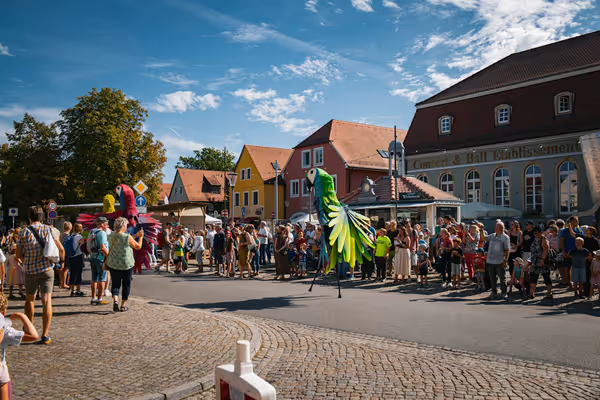
Local traditions are more than customs passed through generations. They preserve identity, strengthen communities, and remind us that culture is lived every day.
 Sophia Harrington

How Simple Daily Habits Shape a Better Life.
Life is rarely transformed by dramatic changes. More often, it is the quiet routines we repeat every day that shape our health, happiness, and sense of purpose.
 Richard Sinclair
· Printed in pixels, with care.