
The Sunday Rituals That Make the Week Feel More Manageable.
A thoughtful Sunday isn't about preparing for work every minute. It's about creating space to rest, reset, and begin a new week with greater clarity.

For many people, Sunday carries two conflicting emotions. It is the final opportunity to slow down after a busy week, yet it also marks the beginning of another one. By late afternoon, thoughts often drift toward overflowing inboxes, unfinished responsibilities, and calendars that seem full before Monday has even arrived. This quiet anxiety has become so common that it is often accepted as part of modern life. Yet Sunday doesn't have to become a countdown to Monday. With a few intentional rituals, it can become one of the most restorative days of the week—a bridge between rest and purpose rather than a source of stress.
The idea of a Sunday ritual is not about squeezing more productivity into the weekend. In fact, its purpose is almost the opposite. Good rituals reduce mental clutter by creating a sense of order before a busy week begins. They help us move into Monday feeling prepared without sacrificing the rest that weekends are meant to provide.
Around the world, different cultures have long embraced rituals that mark the transition between one week and the next. Some families gather around a shared meal. Others spend time outdoors, attend community events, visit local markets, or simply enjoy a slower breakfast together. These traditions differ in form, yet they all share a common goal: creating a moment to pause before life speeds up again.
Beginning the Day Without Rushing
Sunday mornings feel different from weekday mornings for a reason. There is often no immediate meeting to join, no commute to complete, and no alarm urging us out of bed before sunrise. Rather than filling those extra hours with errands immediately, many people find value in preserving a slower start.
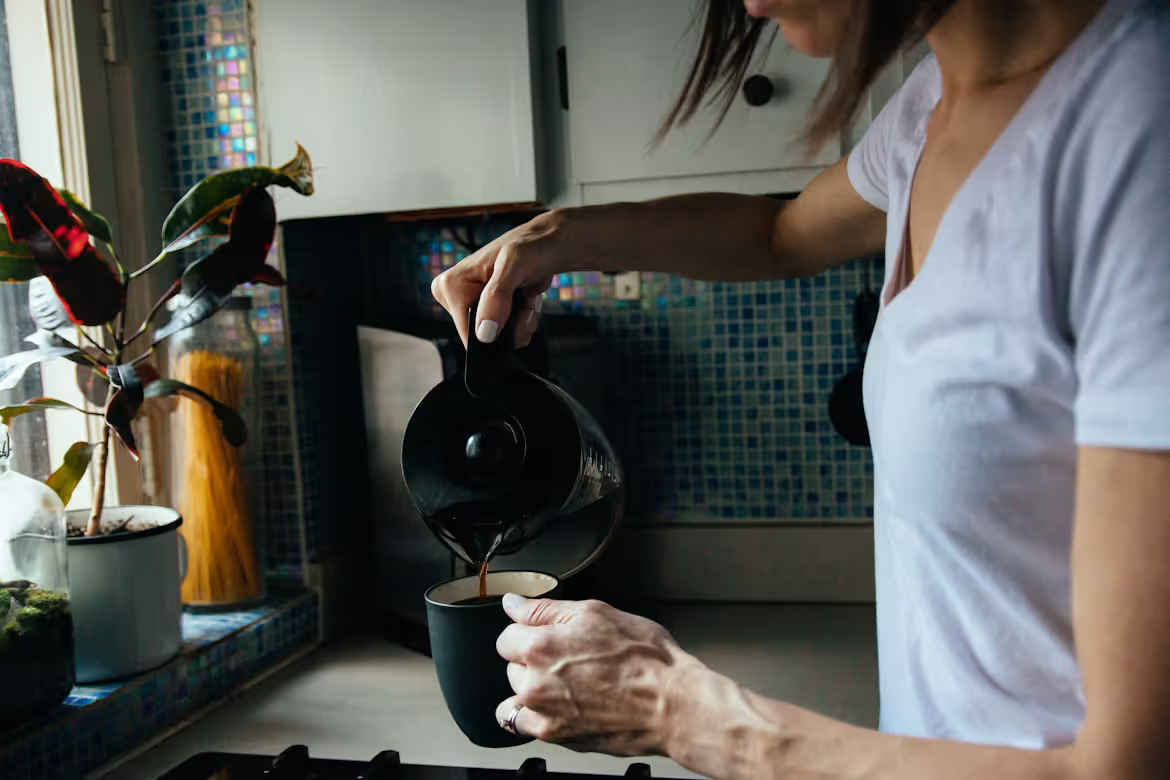
A leisurely breakfast prepared at home, coffee enjoyed without checking emails, or a short walk before the streets become busy creates a completely different rhythm for the day. These simple activities signal that rest still has value even in a culture that often celebrates constant busyness.
Reading a newspaper, finishing a chapter of a novel, watering plants, or listening to music while sunlight fills the room may seem ordinary, but these quiet moments help calm the mind before the practical tasks of the afternoon begin.
Interestingly, slowing down first often leads to greater focus later. Instead of spending the entire day feeling rushed, we approach household responsibilities with more patience and far less resistance.
Resetting the Home, Not Perfecting It
Many households naturally become a little untidy by the end of the week. Laundry waits to be folded, books gather on coffee tables, and grocery lists slowly grow longer. Sunday provides an opportunity to restore order, but there is an important difference between resetting a home and trying to perfect it.
A simple reset focuses only on the tasks that will make everyday life easier. Fresh bed linens, a clean kitchen, a few prepared meals, watered plants, and organised workspaces can quietly reduce dozens of small decisions during the coming week.
This approach prevents Monday from beginning with unnecessary distractions. Walking into a tidy kitchen early in the morning or opening a wardrobe where clothes are already organised creates a subtle sense of calm that often goes unnoticed until it is missing.
The goal is not to create a picture-perfect home worthy of a magazine cover. Homes are meant to be lived in. Instead, these small acts of care simply make everyday routines more pleasant and free our attention for the things that matter most.
"A well-spent Sunday isn't measured by how much gets done, but by how prepared it leaves us to enjoy the week ahead."
Planning Without Filling Every Hour
One reason Monday feels overwhelming is that many people carry an entire week's worth of responsibilities only in their minds. Appointments, deadlines, shopping lists, family commitments, and personal goals compete for attention all at once.
Spending just fifteen or twenty minutes writing these commitments down often brings immediate clarity. A calendar becomes easier to understand than a collection of scattered thoughts. Priorities naturally emerge, making it easier to distinguish between tasks that require immediate attention and those that can wait.
Importantly, thoughtful planning also creates room for enjoyment. Scheduling an evening walk, dinner with friends, or time to continue a favourite hobby reminds us that the week should not revolve exclusively around work. Rest deserves a place on the calendar just as much as meetings do.
When plans remain realistic rather than overly ambitious, they become supportive instead of stressful.

Making Time for What Restores You
Perhaps the most meaningful Sunday ritual has nothing to do with organisation at all. It is choosing at least one activity simply because it restores energy.
For one person, that might mean cycling through nearby countryside before breakfast. For another, it could involve cooking a favourite family recipe, visiting an art gallery, spending the afternoon gardening, or meeting friends at a neighbourhood café. Some people recharge through conversation, while others need quiet moments with a book and no particular destination for the day.
These activities are not rewards that must be earned after completing chores. They are essential parts of a balanced life. Without them, weekends quickly become extensions of the working week, leaving little opportunity to truly recover.
Creating a personal Sunday tradition also gives the day its own identity. Instead of ending with thoughts about Monday, it becomes associated with experiences that are anticipated and remembered.
Why Rituals Matter More Than Routines
Although the words are often used interchangeably, routines and rituals are not quite the same. A routine is something we do because it needs to be done. A ritual carries intention. It encourages us to pay attention to the experience itself rather than simply completing a task.
Making tea while watching rain through the window, lighting a candle during dinner, taking an evening walk with family, or preparing breakfast together every Sunday morning all become meaningful because they invite presence rather than urgency.
Over time, these rituals become markers of stability. They remain familiar even as jobs change, children grow older, or life becomes unexpectedly busy. In many families, these simple traditions become some of the memories people cherish most.
Conclusion
The best Sundays are rarely the busiest. They are the ones that leave us feeling rested, organised, and quietly optimistic about the days ahead.
A calm breakfast, a tidy home, thoughtful planning, and time devoted to something personally meaningful are not dramatic changes. Yet together they transform Sunday from a day of lingering anxiety into a gentle transition between one week and the next.
Rather than trying to accomplish everything before Monday arrives, we can choose to prepare just enough while still protecting the slower pace that makes weekends valuable. In doing so, Sunday becomes more than the end of the week.
It becomes the beginning of a better one.

Elena Rostova
Elena Rostova is the Editor-in-Chief of The Daily, where she leads editorial coverage on modern living, wellbeing, and everyday culture. She enjoys exploring thoughtful ideas that help readers build more intentional and balanced lives.
Discussion
More from this issue.

Creating a Home That Supports Everyday Well-Being.
A home is more than a place to live. Through thoughtful design and everyday habits, it can become a space that encourages calm, comfort, and a healthier way of living.
 Priya Mehta

Why Organized Spaces Help Us Think More Clearly.
A well-organized home isn't about perfection. It's about creating an environment where everyday life feels calmer, simpler, and easier to enjoy.
 Elena Rostova
· Printed in pixels, with care.