
Why Strong Communities Begin with Everyday Connections.
Communities are shaped by everyday interactions more than grand events. A greeting, a shared conversation, or a helping hand can quietly build stronger neighborhoods over time.
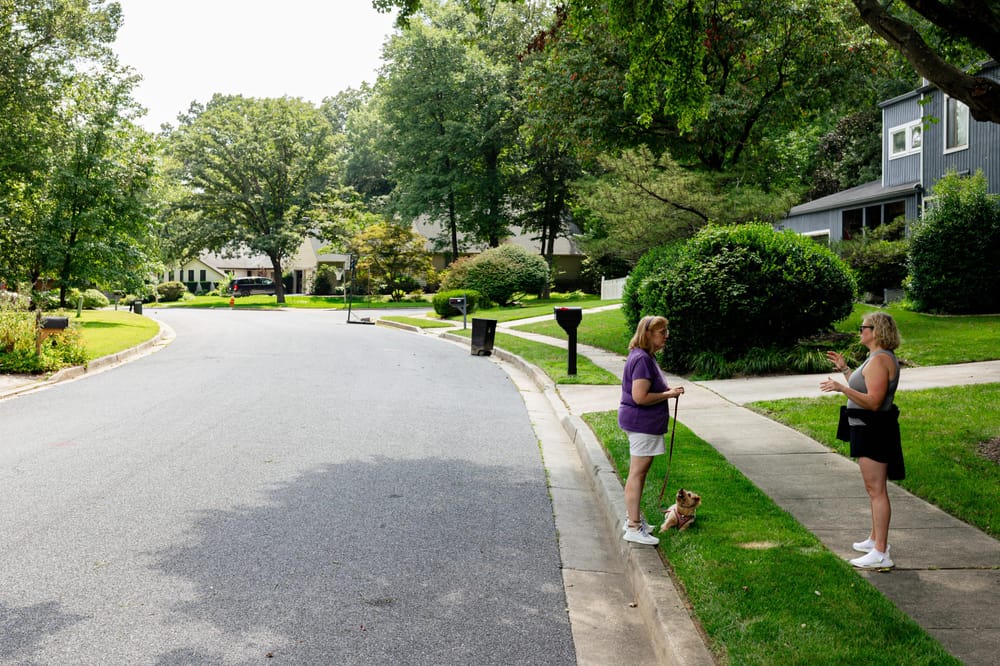
When people think about community, they often imagine large festivals, volunteer projects, or neighborhood celebrations. While these occasions certainly bring people together, the true strength of a community is usually built in far quieter moments. It exists in the familiar greeting exchanged during a morning walk, the café owner who remembers a regular customer's order, the neighbor who collects a parcel while someone is away, or the local librarian who recommends a new book after asking about the last one you enjoyed. These small interactions may seem ordinary, yet together they create a sense of belonging that no event alone can achieve.
Modern life has made it easier than ever to communicate across continents, but many people know surprisingly little about those living only a few doors away. Busy schedules, frequent relocation, and increasing reliance on digital communication have changed the way neighborhoods function. Despite living closer together than ever in many cities, genuine familiarity has often become less common.
Yet the desire for connection has not disappeared. It simply waits for opportunities to grow through everyday encounters that gradually transform unfamiliar faces into trusted members of a shared community.
Belonging Is Created One Conversation at a Time
Communities rarely become strong overnight. They develop gradually through repeated moments of recognition and trust.
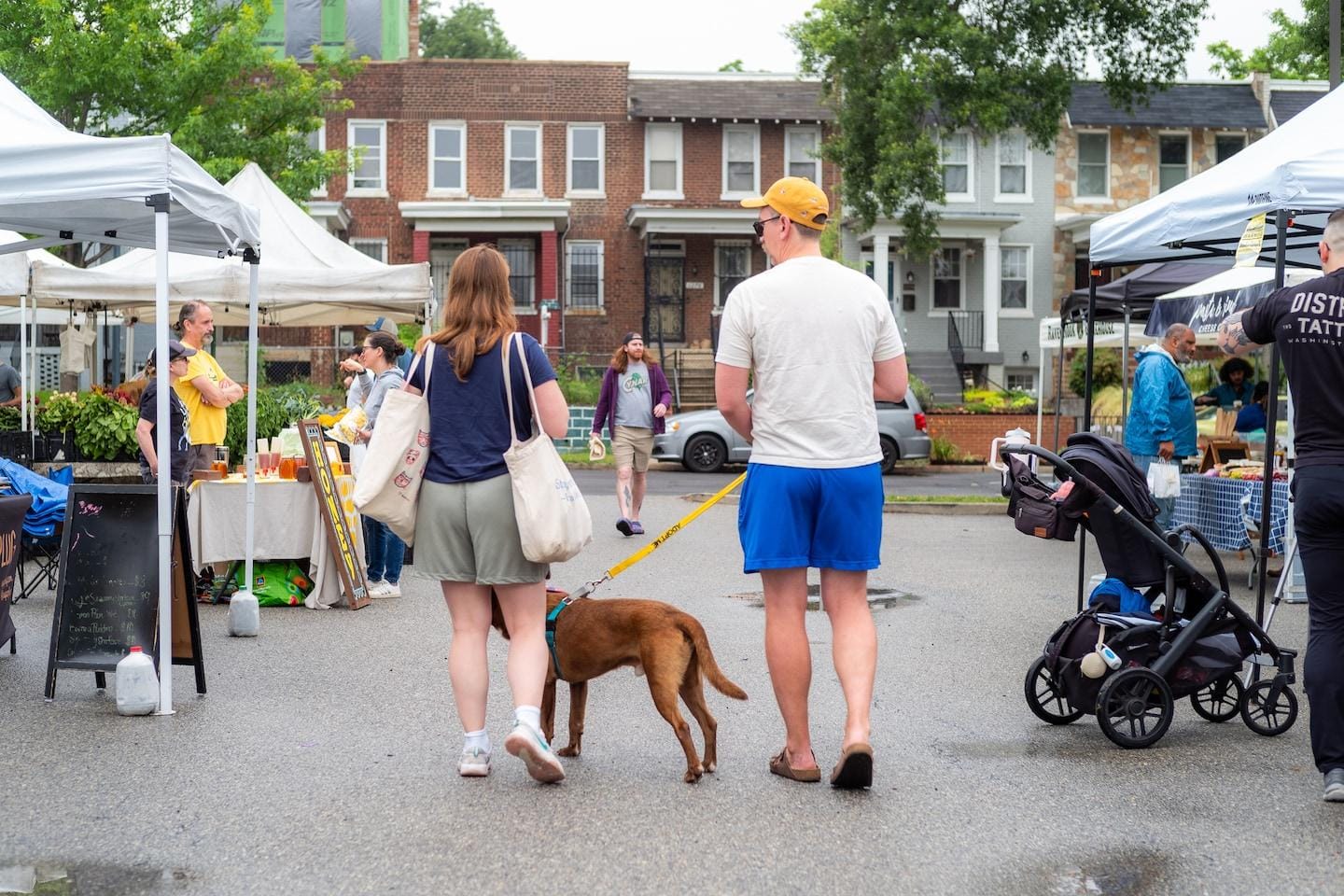
A simple conversation at a local market may lead to another greeting the following week. Parents begin talking while watching children play at the park. Dog owners become familiar with one another during morning walks. These brief exchanges slowly create relationships that make neighborhoods feel welcoming rather than anonymous.
Trust grows in similar ways. When people recognize one another, they become more willing to offer help, share information, or simply check in during difficult times. None of these actions require elaborate planning. They emerge naturally because familiarity has been allowed to develop over time.
This sense of belonging benefits everyone, regardless of age. Young families gain support networks, older residents experience less isolation, and newcomers find it easier to feel at home. A neighborhood becomes more than a collection of houses or apartments—it becomes a place where people genuinely know they are part of something larger than themselves.
The Importance of Shared Spaces
Communities need places where people naturally cross paths.
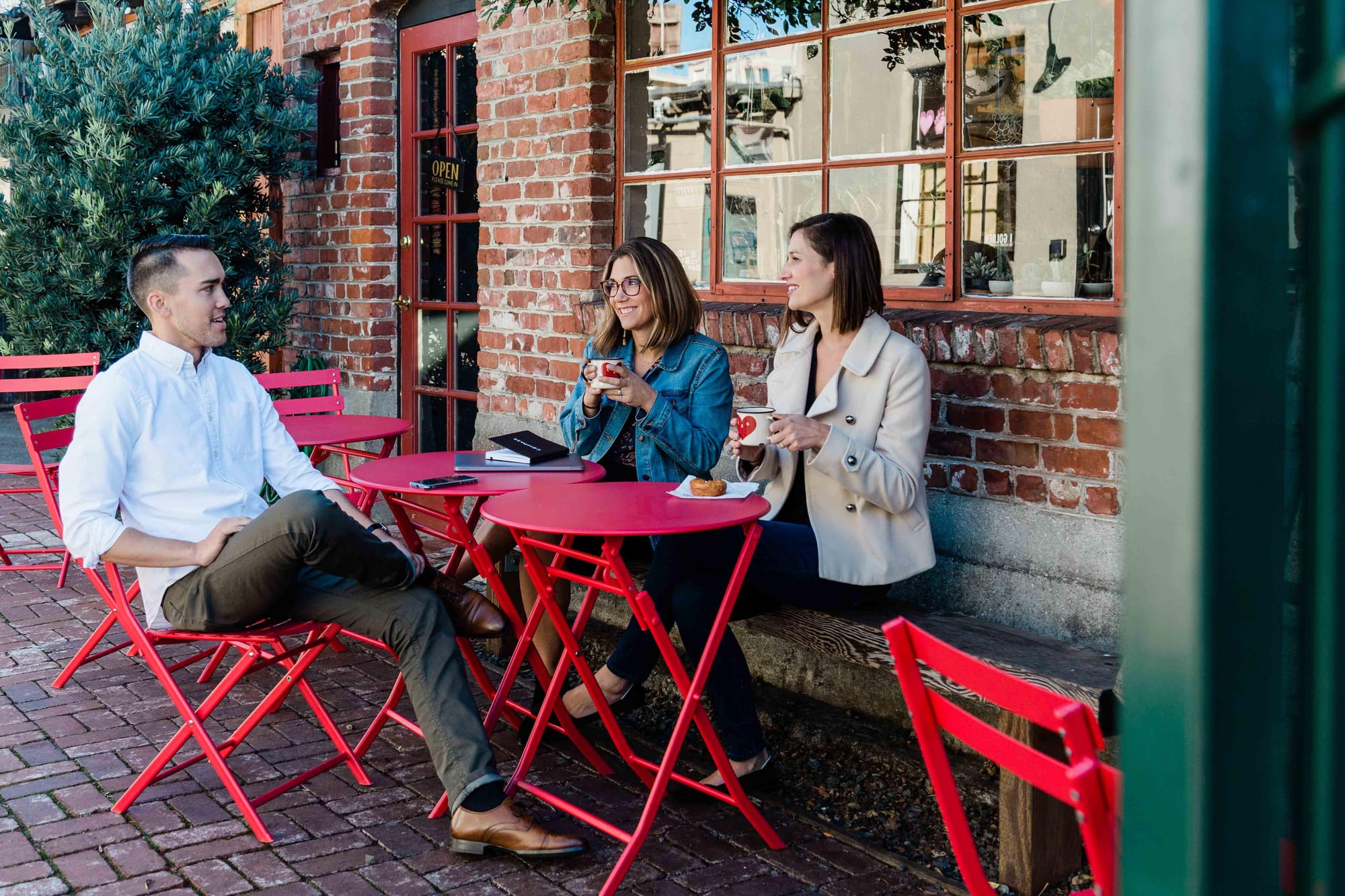
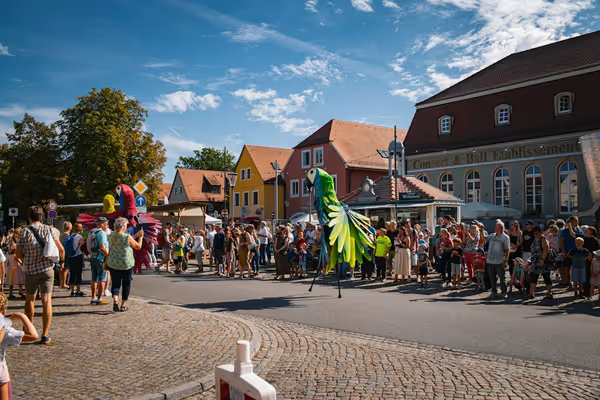
Parks, libraries, cafés, public squares, walking trails, farmers' markets, and community gardens all provide opportunities for spontaneous interaction. These shared spaces encourage conversations that would never happen in private settings, allowing relationships to form without formal introductions.
Their value extends beyond recreation. They create a sense of shared ownership and responsibility. When people regularly use these places, they become more invested in keeping them welcoming, safe, and vibrant.
Many of the world's most memorable neighborhoods share this characteristic. They offer spaces where daily life unfolds in public rather than remaining hidden behind closed doors. Children play together, friends meet after work, older residents spend afternoons reading on park benches, and visitors quickly sense that the neighborhood has its own unique rhythm.
These environments remind us that community is experienced through participation rather than observation.
"Communities become stronger when everyday encounters turn strangers into familiar faces."
Supporting Local Makes Communities Stronger
Choosing where we shop, eat, and spend our time quietly shapes the places we live.
Independent cafés, neighborhood bookstores, local bakeries, family-owned restaurants, and weekend markets contribute more than products or services. They become gathering places where conversations begin, recommendations are exchanged, and relationships develop over years rather than minutes.
Supporting local businesses also helps preserve the character of a neighborhood. Every independent shop reflects the personality of the people behind it, adding diversity and identity that larger commercial spaces sometimes struggle to replicate.
These businesses often know their customers personally. They celebrate milestones, notice familiar faces, and contribute to local events that strengthen community life. In return, residents who support them help ensure these places remain part of the neighborhood for future generations.
Small Acts That Build Lasting Trust
One of the most encouraging aspects of community is that meaningful contributions rarely require extraordinary effort.
Checking on an elderly neighbor during a heatwave, returning a lost item, volunteering for a local event, recommending a favorite café to someone new in town, or simply introducing yourself to someone who recently moved nearby all contribute to a stronger sense of belonging.
These gestures may seem insignificant in isolation, but together they create an environment where kindness becomes expected rather than exceptional.
Communities built on everyday generosity also become more resilient during challenging times. People who already know and trust one another are naturally more prepared to offer support when unexpected difficulties arise.
Strong neighborhoods are therefore not defined by the absence of problems but by the willingness of people to face those challenges together.
Bringing Community Into Everyday Life
Building stronger communities does not require waiting for a special occasion.
It begins by becoming more present in the places we already visit. Walking instead of driving short distances, spending time in local parks, shopping at neighborhood businesses, attending community events, or simply greeting familiar faces all create opportunities for connection.
These habits encourage a slower, more attentive way of living. Instead of passing through our neighborhoods unnoticed, we begin participating in them. Familiarity grows, conversations become easier, and the places we call home gradually feel more welcoming.
In doing so, we discover that community is not something provided to us.
It is something we help create every day.
Conclusion
The strongest communities are rarely built through grand gestures.
They grow through countless ordinary moments shared between people who choose to notice one another.
Every greeting, conversation, act of kindness, and shared experience contributes to a deeper sense of belonging that benefits individuals, families, and neighborhoods alike. While modern life often encourages speed and independence, meaningful communities remind us that connection remains one of our greatest strengths.
In the end, creating a better neighborhood begins with something surprisingly simple.
Looking up, saying hello, and allowing everyday connections to become lasting relationships.

Sophia Harrington
Sophia Harrington covers home life, sustainability, and practical living. Her work encourages readers to create comfortable spaces and adopt everyday habits that support a healthier lifestyle.
Discussion
More from this issue.

Why Mentorship Matters at Every Stage of Your Career.
The best careers are rarely built alone. Mentorship creates opportunities to learn from experience, gain confidence, and build relationships that continue to shape professional growth for years.
 James Thornton
Why Every City Needs More Green Spaces.
Green spaces do more than beautify cities. They improve health, encourage community connections, and create places where people can slow down and reconnect with nature.
 Elena Rostova
Why Local Traditions Still Matter in a Changing World.
Local traditions are more than customs passed through generations. They preserve identity, strengthen communities, and remind us that culture is lived every day.
 Sophia Harrington
· Printed in pixels, with care.