
Why Third Places Matter More Than Ever.
Home is where we rest. Work is where we build our careers. But the places in between—cafés, libraries, parks, bookstores, and neighborhood squares—often shape our communities in ways we rarely notice.
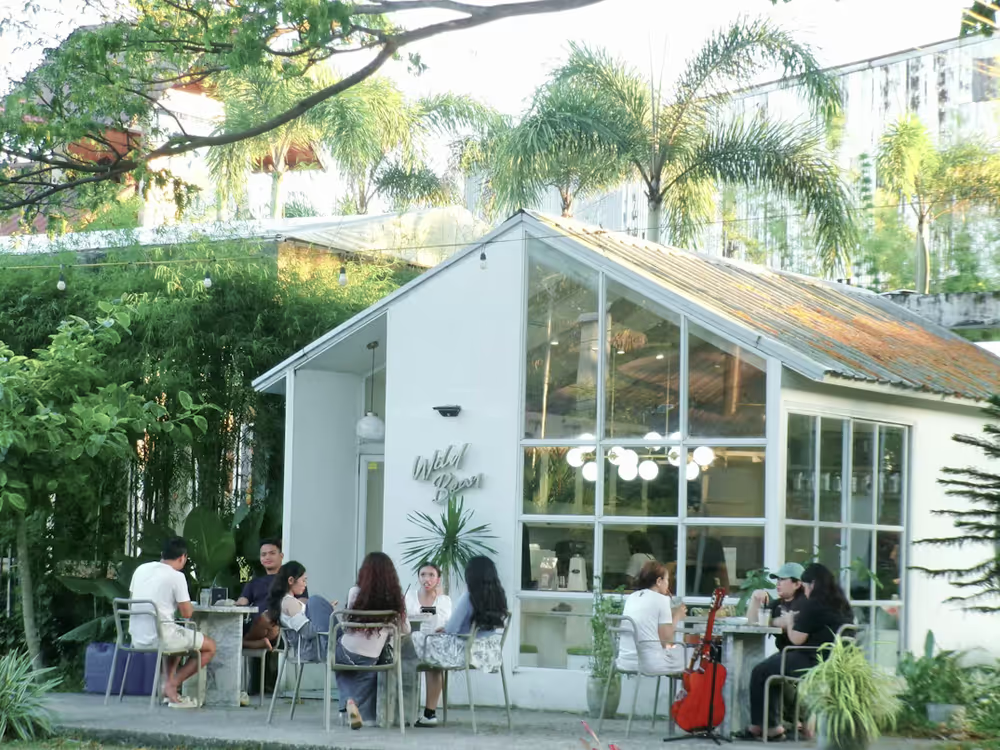
"Where do you go when you're neither at home nor at work?" It's a surprisingly simple question, yet one that reveals a great deal about modern life. For generations, communities were shaped not only by houses and offices but also by the shared spaces that connected them. The neighborhood café where the owner remembered your usual order. The public library where students, retirees, and curious readers quietly shared the same tables. The local park where children played while neighbors exchanged stories on nearby benches. These weren't simply locations on a map—they were places where everyday relationships developed naturally.
Today, many of those spaces still exist, yet our relationship with them has changed. Remote work, online shopping, digital entertainment, and social media have made it easier than ever to stay home. While these conveniences have undeniable benefits, they have also reduced many of the casual interactions that once strengthened neighborhoods. Without realizing it, our daily routines have become more efficient but often less connected.
The idea of a "third place"—a space that is neither home nor work—has never been more relevant. These environments invite people to gather without expectation, creating opportunities for conversation, creativity, and a shared sense of belonging. They remind us that community is not built through grand events alone but through countless ordinary encounters repeated over time.
The Places That Quietly Shape Community
Every neighborhood has places that become part of its identity. They may not appear in travel guides or architectural magazines, yet local residents know their importance immediately. It might be the family-run bakery where people stop every Saturday morning, the independent bookstore that hosts evening discussions, or the tree-lined park where generations have celebrated birthdays and picnics.
What makes these places special isn't their design alone. It's the consistency with which people return. Familiar faces become familiar names, brief greetings turn into conversations, and over time strangers become neighbors. These interactions may last only a few minutes, but together they create trust and familiarity—qualities that cannot be downloaded or delivered to our doorsteps.
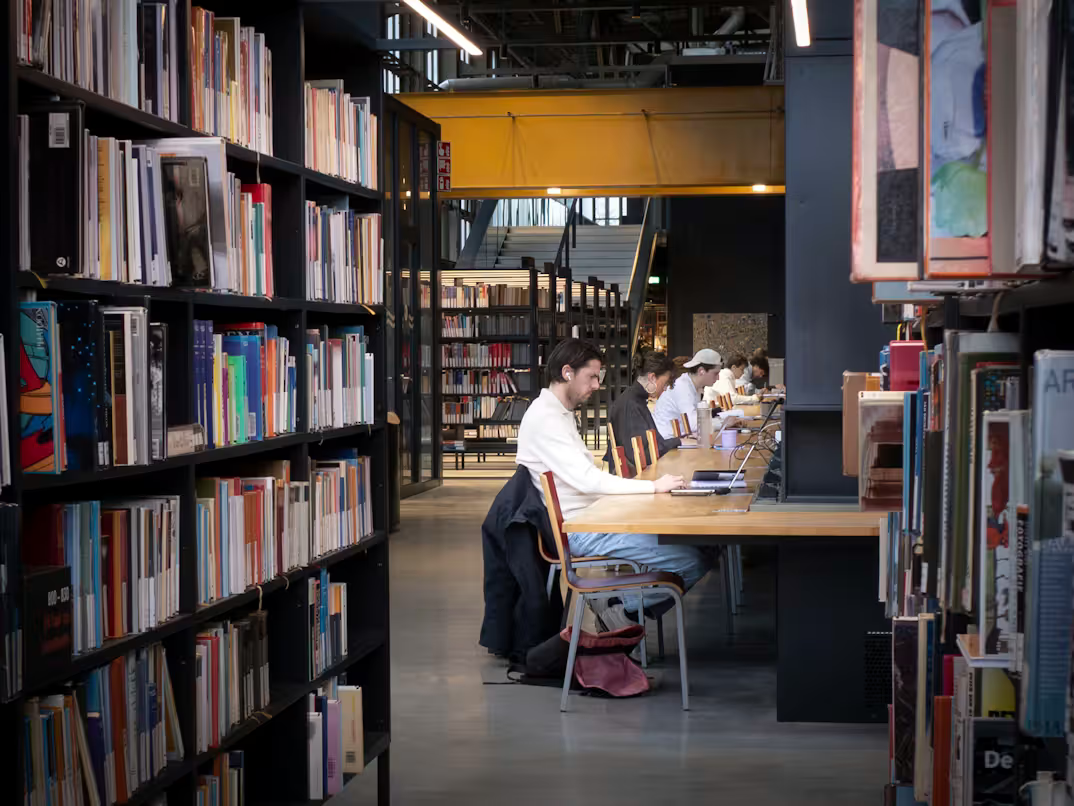
Researchers who study urban life have long observed that thriving communities depend on shared public spaces. Parks encourage physical activity while creating opportunities for social interaction. Libraries remain among the few places where people of all ages can spend time without feeling pressure to buy anything. Community gardens transform unused land into places where knowledge, conversation, and fresh produce are shared together.
These spaces quietly strengthen neighborhoods because they encourage participation rather than isolation.
Why Digital Convenience Can't Replace Shared Spaces
Technology has made daily life remarkably convenient. Groceries arrive with a few taps, meetings happen through video calls, and entertainment is available at any hour. These innovations save time and expand access, yet they rarely recreate the spontaneous moments that occur when people occupy the same physical space.
Think about the conversations that begin while waiting for coffee, the recommendation from a bookseller that introduces a new favorite author, or the neighbor you meet while walking a dog through the park. These moments cannot be scheduled or predicted. They happen because people share an environment rather than simply sharing an internet connection.
This doesn't mean digital life should be rejected. Instead, it highlights the importance of maintaining balance. Online communities connect people across continents, but local communities connect us to the streets, businesses, and people we encounter every day. Both have value, yet they fulfill different needs.
When neighborhoods lose their gathering places, they often lose opportunities for these small but meaningful exchanges. Over time, communities become places where people live rather than places where they truly belong.
"Communities aren't built only through shared addresses—they're built through shared experiences."
Rediscovering the Value of Everyday Gathering Places
The encouraging news is that third places don't need to be created from scratch. Many already exist. They simply need to be used more often.
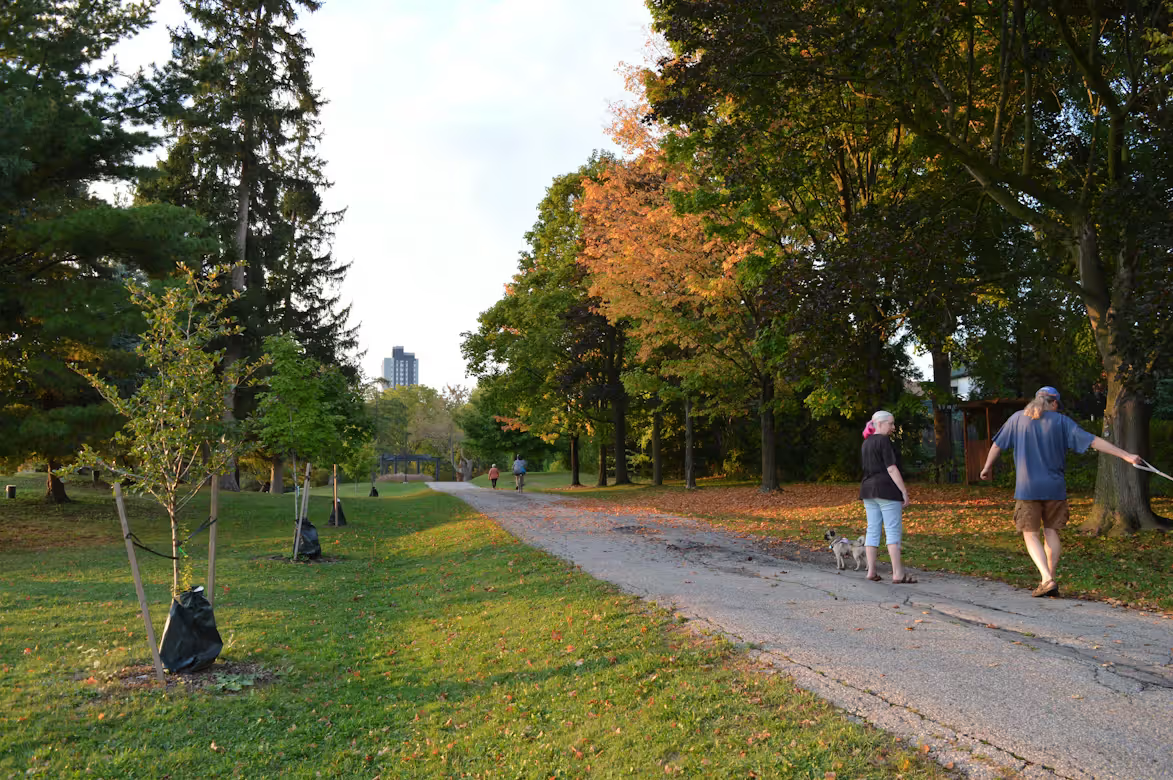
Visiting a local café instead of working from home once a week can introduce new conversations. Borrowing books from the public library supports a valuable community resource. Choosing a nearby park for an evening walk creates opportunities to greet familiar faces. Attending a weekend market connects residents with local growers, artists, and small business owners whose work contributes to the character of the neighborhood.
These choices may seem ordinary, yet they influence the social fabric of a community. They encourage local businesses to thrive, make public spaces feel more welcoming, and remind us that everyday life becomes richer when experienced alongside other people.
Perhaps this is why some of our strongest memories are connected not only to our homes but also to the places just beyond them—the café where friendships began, the library that inspired curiosity, or the park that became part of family traditions.
Conclusion
The future of our communities won't be shaped only by new buildings or improved infrastructure. It will also depend on whether we continue investing time in the places that bring people together.
Third places remind us that belonging isn't something we purchase or download. It grows through repeated visits, familiar conversations, and shared experiences that quietly become part of everyday life. A café becomes more than somewhere to buy coffee. A library becomes more than shelves filled with books. A neighborhood park becomes more than open green space.
They become places where communities recognize themselves.
As our lives become increasingly digital, these spaces offer something technology can never fully replace: the simple comfort of being present among other people. Sometimes, that's exactly what transforms a neighborhood into a community.

Sophia Harrington
Sophia Harrington covers home life, sustainability, and practical living. Her work encourages readers to create comfortable spaces and adopt everyday habits that support a healthier lifestyle.
Discussion
More from this issue.

Why Some Books Are Worth Reading More Than Once.
A favorite book rarely stays the same. As our lives change, the stories we revisit often reveal new meanings, reminding us that reading is as much about personal growth as it is about the pages themselves.
 Victoria Pemberton
Why Local Traditions Still Matter in a Changing World.
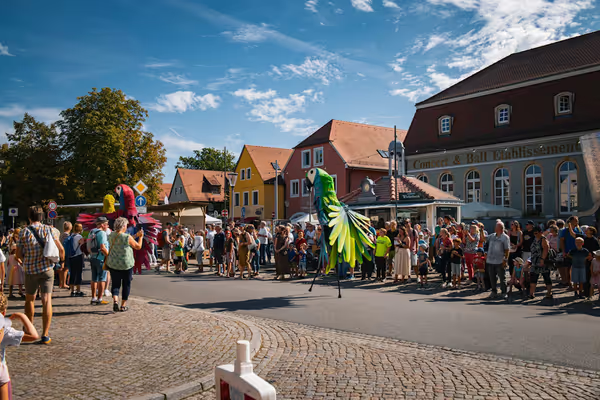
Local traditions are more than customs passed through generations. They preserve identity, strengthen communities, and remind us that culture is lived every day.
 Sophia Harrington

Why Quiet Moments Matter More Than Ever.
In a culture filled with constant noise and endless distractions, quiet moments offer something increasingly rare—the chance to think clearly, reconnect with ourselves, and appreciate the present.
 James Thornton
· Printed in pixels, with care.