
The Lost Art of Meaningful Conversation.
We communicate more than ever before, yet genuine conversations often feel increasingly rare. Slowing down to truly listen may be one of the most valuable skills of modern life.
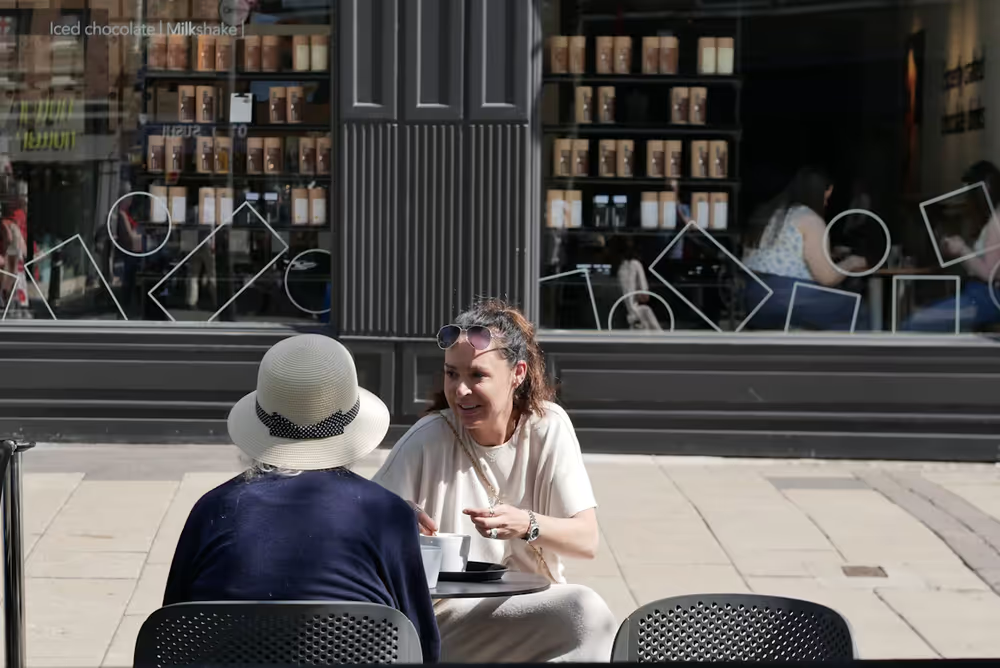
Never before have we had so many ways to communicate. Messages arrive instantly, video calls connect people across continents, and social platforms allow thoughts to be shared with thousands of people in seconds. Yet despite this constant exchange of information, many people feel a growing absence of genuine conversation. We speak more often, but not always more deeply. The difference lies not in the technology we use but in the attention we give to one another.
When Communication Becomes Constant but Connection Doesn't
Modern communication is designed for speed. A quick reply, a short voice note, a reaction emoji, or a brief comment often replaces the slower conversations that once unfolded naturally over coffee, evening walks, or family dinners. These digital exchanges are convenient and often necessary, but they rarely offer the same depth as sitting across from someone without distractions.
Meaningful conversation requires something that technology cannot automatically provide: presence. It asks us to listen without planning our next response, to remain curious instead of rushing toward conclusions, and to appreciate silence as part of the dialogue rather than something that must immediately be filled. These qualities take time, and time has become one of the scarcest resources in everyday life.
As a result, many relationships become efficient rather than personal. We exchange updates instead of stories, information instead of experiences. The conversations are functional, yet they often leave us feeling that something important is missing.
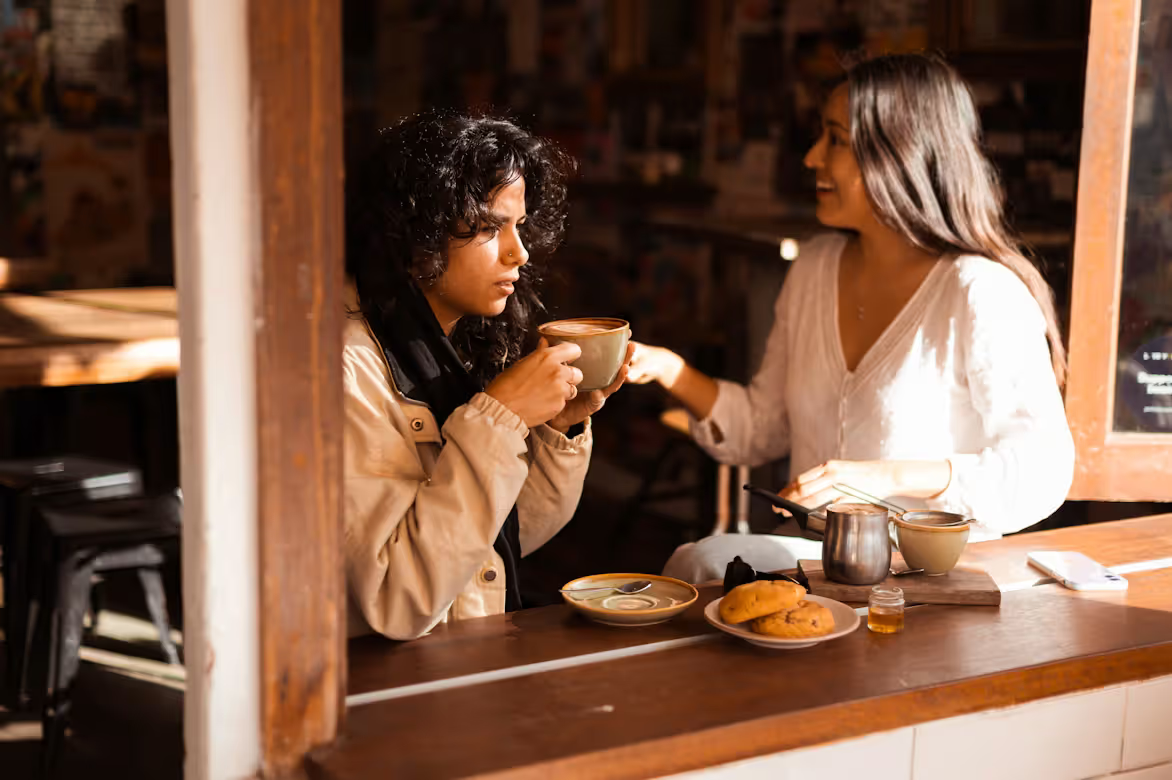
Listening Is More Valuable Than Speaking
Good conversation isn't built by having the perfect words. More often, it begins with the willingness to listen.
Listening is an active choice. It means giving someone your attention without checking a phone, interrupting, or preparing your own story before they've finished speaking. When people feel genuinely heard, conversations naturally become more open, thoughtful, and honest.
This kind of listening also changes the quality of our relationships. Friends become more understanding, families communicate with greater patience, and workplaces benefit from stronger collaboration. Even brief interactions with neighbors, colleagues, or strangers become more meaningful when we approach them with genuine interest rather than treating them as another task to complete.
In many ways, listening has become an underrated skill. We often focus on expressing ourselves clearly, yet forget that understanding someone else is just as important.
"People rarely remember every word of a conversation, but they often remember how deeply they felt heard."
Creating Space for Better Conversations
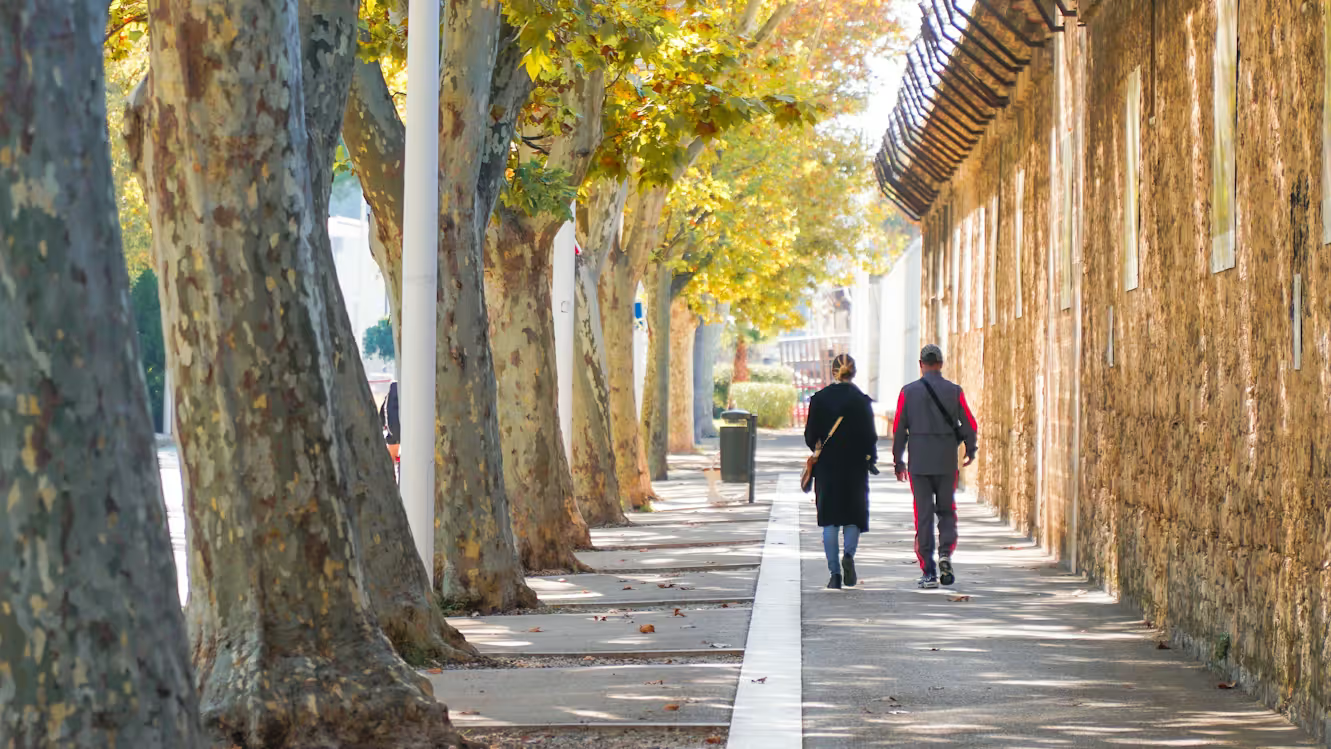
Meaningful conversations rarely happen by accident. They usually unfold in environments where people feel relaxed and unhurried. A walk through the neighborhood, dinner around a shared table, a long train journey, or an afternoon spent in a quiet café naturally creates opportunities for dialogue that feels less rushed than conversations squeezed between meetings or notifications.
Creating these moments doesn't require elaborate planning. It may be as simple as putting phones away during dinner, inviting a friend for coffee without an agenda, or asking questions that go beyond the familiar "How was your day?" Curiosity has a remarkable way of opening doors to stories that might otherwise remain untold.
These conversations also remind us that relationships grow through shared attention rather than shared schedules. Spending uninterrupted time with another person communicates something valuable: that, for this moment, they matter more than everything else competing for our attention.
Conclusion
Technology has transformed the way we communicate, making it easier than ever to stay connected across distances. Yet the conversations that shape our lives most profoundly still rely on timeless qualities: attention, curiosity, patience, and empathy.
Choosing to slow down, ask thoughtful questions, and truly listen may seem like a small act, but its impact is lasting. These moments strengthen friendships, deepen family relationships, and create a stronger sense of belonging within our communities.
Perhaps meaningful conversation isn't becoming a lost art after all.
Perhaps it's simply waiting for us to make time for it again.

James Thornton
James Thornton covers work, society, and the changing ways people live and collaborate. His writing focuses on workplace culture, communities, and the evolving relationship between technology and daily life.
Discussion
More from this issue.
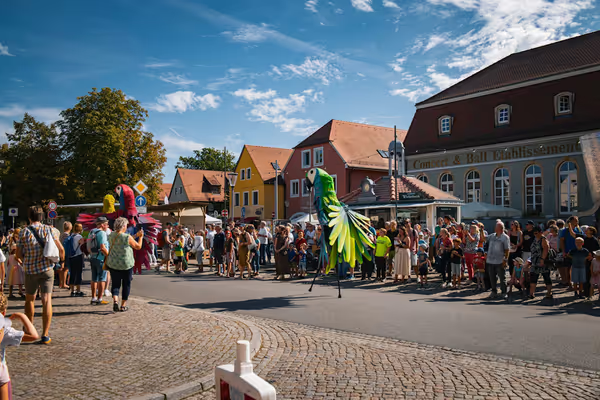
Why Local Traditions Still Matter in a Changing World.
Local traditions are more than customs passed through generations. They preserve identity, strengthen communities, and remind us that culture is lived every day.
 Sophia Harrington
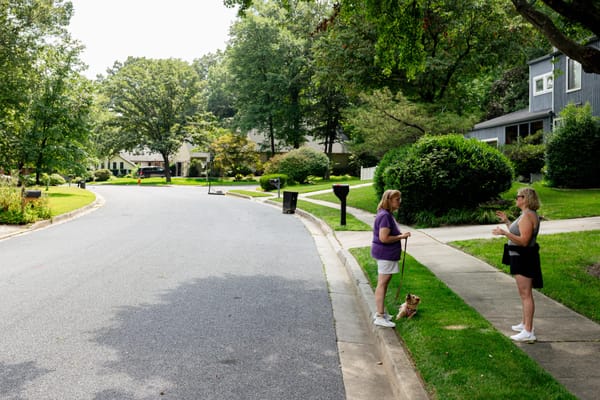
Why Strong Communities Begin with Everyday Connections.
Communities are shaped by everyday interactions more than grand events. A greeting, a shared conversation, or a helping hand can quietly build stronger neighborhoods over time.
Sophia Harrington
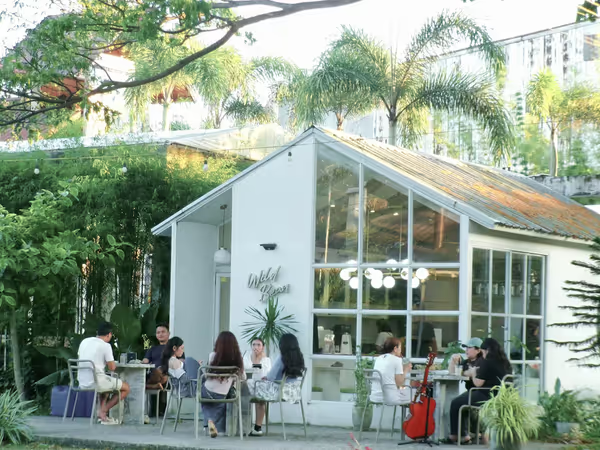
Why Third Places Matter More Than Ever.
Home is where we rest. Work is where we build our careers. But the places in between—cafés, libraries, parks, bookstores, and neighborhood squares—often shape our communities in ways we rarely notice.
Sophia Harrington
· Printed in pixels, with care.