
Why Small Acts of Kindness Still Have a Lasting Impact.
Kindness rarely makes headlines, yet it quietly shapes our neighborhoods, workplaces, and relationships through countless ordinary moments every single day.

Modern life often moves at remarkable speed. Schedules are filled weeks in advance, notifications compete for our attention, and daily routines leave little room for unexpected pauses. Amid this constant movement, kindness can appear almost insignificant—a door held open for a stranger, a thoughtful message sent to a friend, or a few extra minutes spent helping someone who needs assistance. These moments rarely attract attention, yet they quietly influence the atmosphere of our communities in ways that are difficult to measure. They remind us that while technology continues to reshape how we communicate, the qualities that strengthen human relationships remain remarkably timeless.
Kindness has never depended on wealth, status, or influence. It exists in ordinary interactions that require little more than awareness and a willingness to notice the people around us. A warm greeting offered to a familiar face, patience shown during a difficult conversation, or genuine appreciation expressed to a colleague may seem routine, but together these moments create environments where people feel respected and valued.
Perhaps that is why acts of kindness are often remembered long after the details of ordinary days have faded. They interrupt routine in the best possible way, reminding us that consideration still has a place in a world that often rewards speed over reflection.
The Power of Being Present
Many thoughtful gestures begin with something surprisingly simple: paying attention.
It is easy to become absorbed in our own responsibilities while walking through a busy street, waiting in line at a café, or commuting home after work. Earphones, mobile phones, and constant notifications create personal worlds that make it easier to overlook what is happening nearby. Yet moments that invite kindness often appear when we are fully present.
A parent struggling with a stroller on a staircase, a visitor searching for directions, or someone carrying more than they can comfortably manage may only need a small offer of help. These situations rarely require extraordinary effort, but they do require noticing.
Presence also transforms conversations. Listening without interrupting, remembering details someone shared weeks earlier, or asking a sincere question communicates care in ways that expensive gifts never could. People often remember how they felt after a conversation more vividly than the exact words that were spoken.
In this sense, kindness is less about grand gestures and more about attention. It begins by recognizing that every person we meet is carrying experiences we cannot immediately see.

How Kindness Strengthens Communities
Communities are often described through statistics such as population, employment, or infrastructure. While these measurements are useful, they reveal little about how a place actually feels to live in.
That experience is shaped by everyday interactions. Neighborhoods where people greet one another during morning walks, local shop owners remember familiar customers, and residents willingly offer help during difficult times often feel more welcoming regardless of their size.
These relationships develop gradually. A simple conversation at a local market becomes a weekly tradition. Neighbors who once exchanged only polite greetings begin looking after each other's homes during holidays. Parents waiting outside schools discover shared interests that grow into lasting friendships.
Acts of kindness also build trust. When people believe they can rely on those around them, communities become more resilient during unexpected challenges. Whether responding to severe weather, supporting local businesses, or organizing neighborhood events, cooperation becomes easier because relationships already exist.
The strength of a community is rarely measured only by its buildings or services. It is equally reflected in the willingness of its people to care for one another.
"Communities become stronger when kindness is treated as an everyday habit rather than an extraordinary event."
Kindness in the Workplace
Professional environments are often associated with ambition, deadlines, and performance. While these qualities contribute to success, they are not the only factors that define healthy workplaces.
Small gestures have an enormous influence on workplace culture. Welcoming a new colleague, acknowledging someone's effort during a demanding project, or offering support when workloads become overwhelming creates an atmosphere where people feel respected rather than simply managed.
Leaders who practice kindness are often misunderstood as being less demanding. In reality, kindness and high standards are entirely compatible. Clear expectations delivered with empathy encourage stronger collaboration because people feel safe asking questions, admitting mistakes, and sharing new ideas.
Colleagues also influence one another in countless informal ways. Offering constructive feedback instead of criticism, celebrating shared achievements, and recognizing individual contributions all help create workplaces where success feels collective rather than competitive.
The result is not only improved morale but stronger relationships that often extend well beyond the office.

Why Kindness Is Never Wasted
One reason kindness remains powerful is that its effects often continue long after the original moment has passed.
A teacher who encourages a hesitant student may inspire confidence that lasts for years. A neighbor who offers help during a difficult period may become a lifelong friend. Even brief interactions with strangers can influence the course of an ordinary day. A smile offered during a stressful commute or a patient conversation with a customer service representative may not solve larger problems, but it can reduce frustration and remind someone that they are being treated with dignity.
Importantly, kindness is also contagious. People who experience generosity frequently become more likely to extend it to others. In this way, one thoughtful action quietly encourages another, creating a ripple effect that spreads far beyond the original interaction.
These moments rarely appear in news headlines because they happen quietly and continuously. Yet they form the invisible foundation upon which healthy relationships and thriving communities are built.
Choosing Kindness Every Day
The encouraging aspect of kindness is that it remains available to everyone. It does not require perfect circumstances or significant resources. Instead, it grows through small choices repeated consistently.
Writing a handwritten note instead of sending a quick message, thanking a local shop owner for their service, checking in on a friend who has been unusually quiet, volunteering at a community event, or simply allowing someone else to go first in a queue all reflect the same principle.
None of these actions change the world overnight.
Together, however, they create a culture where consideration becomes ordinary rather than exceptional.
In a time when attention is often divided and patience can feel increasingly rare, choosing kindness is a quiet reminder that progress is measured not only by innovation or achievement, but also by the quality of our relationships.
Conclusion
Kindness has never depended on dramatic gestures. Its greatest strength lies in its consistency.
The small decisions we make each day—to listen carefully, offer encouragement, show patience, or help without expecting anything in return—shape the environments in which we live far more than we often realize. These moments strengthen neighborhoods, improve workplaces, and deepen friendships through actions that may seem ordinary but are never insignificant.
As the pace of modern life continues to accelerate, kindness offers something quietly powerful: a reminder that meaningful human connection is still built one interaction at a time.
Perhaps the greatest impact we can have on a day is not through what we accomplish, but through how we make other people feel.

James Thornton
James Thornton covers work, society, and the changing ways people live and collaborate. His writing focuses on workplace culture, communities, and the evolving relationship between technology and daily life.
Discussion
More from this issue.
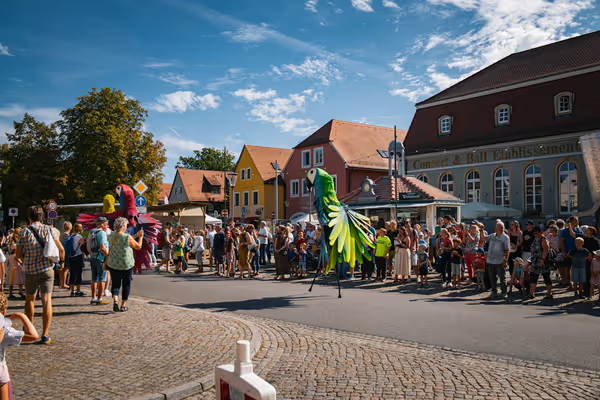
Why Local Traditions Still Matter in a Changing World.
Local traditions are more than customs passed through generations. They preserve identity, strengthen communities, and remind us that culture is lived every day.
 Sophia Harrington
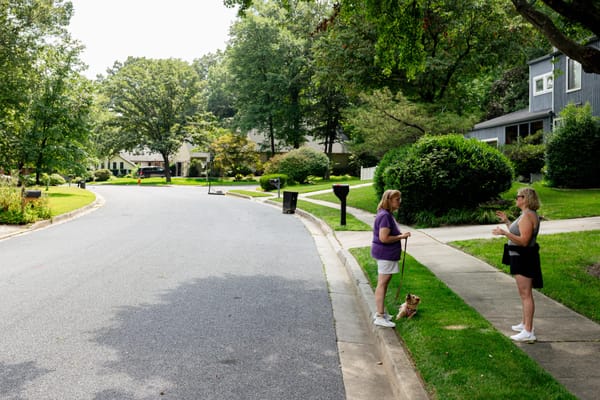
Why Strong Communities Begin with Everyday Connections.
Communities are shaped by everyday interactions more than grand events. A greeting, a shared conversation, or a helping hand can quietly build stronger neighborhoods over time.
Sophia Harrington

The Lost Art of Meaningful Conversation.
We communicate more than ever before, yet genuine conversations often feel increasingly rare. Slowing down to truly listen may be one of the most valuable skills of modern life.
 James Thornton
· Printed in pixels, with care.